
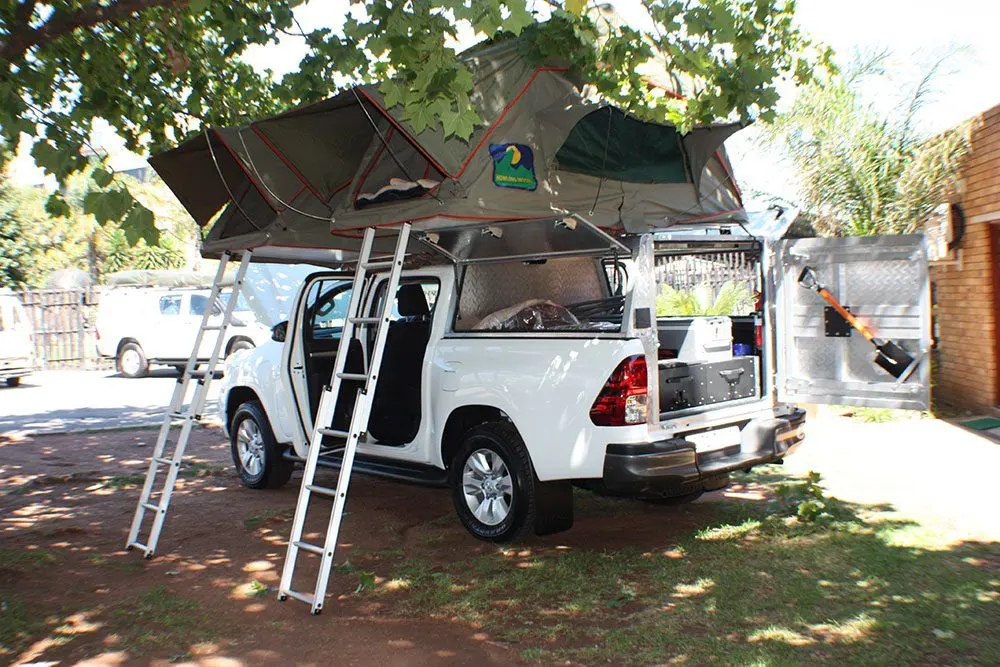
Serengeti Camping Fees 2026: Complete Guide to Camping Costs in Serengeti National Park
Camping in Serengeti National Park is one of the most unforgettable ways to experience Africa’s greatest wildlife destination. Imagine waking up to the distant roar of lions, enjoying breakfast while zebras graze nearby, and spending your evenings beneath a sky filled with millions of stars. Unlike staying in luxury lodges, camping places you right in the heart of nature, creating an authentic safari experience that few destinations in the world can match.
Whether you are planning a budget camping safari, a self-drive adventure, or a fully guided expedition, understanding the Serengeti camping fees before your trip is essential. These fees are separate from park entrance fees and other park charges, and knowing what to expect helps you prepare an accurate safari budget.
This comprehensive guide explains everything you need to know about Serengeti camping fees in 2026, including campsite types, what is included, additional charges, budgeting tips, and answers to frequently asked questions.
Why Camp in Serengeti National Park?
Serengeti National Park is among the most famous wildlife destinations on Earth. Covering nearly 15,000 square kilometres, it is home to:
- More than two million wildebeest
- Hundreds of thousands of zebras
- Thousands of lions
- Leopards
- Cheetahs
- Elephants
- Buffaloes
- Hyenas
- Hippos
- Crocodiles
- Over 500 bird species
Camping allows visitors to experience this extraordinary ecosystem in a way that hotels simply cannot offer.
Instead of returning to a lodge several kilometres away after your game drive, you remain inside the wilderness throughout your stay, maximizing your wildlife experience while reducing travel time.
Types of Campsites in Serengeti National Park
The Tanzania National Parks Authority (TANAPA) manages several categories of campsites within Serengeti National Park.
Understanding the differences between these campsites is important because each comes with different fees, facilities, and booking requirements.
1. Public Campsites
Public campsites are the most affordable option and are popular among:
- Budget travellers
- Backpackers
- Self-drive visitors
- Camping safari groups
- Student expeditions
Facilities generally include:
- Shared toilets
- Hot showers
- Running water
- Cooking shelters
- Picnic tables
- Waste disposal areas
- Security provided by park rangers
Although facilities are basic, the experience is exceptional because wildlife frequently passes close to the campsite.
2. Special Campsites
Special campsites offer greater privacy.
Unlike public campsites, only one group occupies the campsite at any given time.
These campsites are ideal for:
- Families
- Photographers
- Couples
- Exclusive guided safaris
- Small private groups
Most special campsites have minimal infrastructure, allowing visitors to enjoy an untouched wilderness experience.
Safari operators usually provide:
- Portable toilets
- Bush showers
- Camping kitchens
- Dining tents
- Sleeping tents
- Camp staff
3. Premium Special Campsites
Premium special campsites are located in exceptional wildlife areas and provide complete exclusivity.
These campsites are often used by luxury mobile camping safaris and photographers seeking prime wildlife locations.
Although considerably more expensive, they offer unparalleled privacy and access to some of the Serengeti’s most spectacular landscapes.
Serengeti Camping Fees for 2026
Camping fees vary depending on the campsite category and visitor residency.
Public Campsite Fees
Non-East African Citizens
- Adults: US$60 per person per night
- Children (5–15 years): US$12 per child per night
- Children under 5 years: Free
East African Residents
- Adults: TZS 30,000 per night
- Children: TZS 10,000 per night
East African Citizens
East African citizens benefit from significantly reduced camping rates under TANAPA’s current tariff schedule.
Special Campsite Fees
For most special campsites:
- Adults (Non-East African Citizens): approximately US$60 per person per night
- Children (5–15 years): US$12
- Children under five: Free
Reservations are required well in advance because these campsites are limited and cannot be shared between groups.
Premium Special Campsite Fees
Premium campsites attract higher fees due to their exclusive locations.
Current rates include:
- Adults: approximately US$300 per person per night
These campsites are usually booked by luxury safari companies operating fully serviced mobile camps.
What Does the Camping Fee Include?
Camping fees cover your right to occupy the campsite for one night.
For public campsites, this generally includes access to:
- Shower facilities
- Toilets
- Water supply
- Security
- Waste collection
- Shared cooking areas
For special campsites, the fee covers only campsite occupancy.
Visitors must bring or hire:
- Tents
- Mattresses
- Sleeping bags
- Cooking equipment
- Portable toilets if required
- Camping furniture
Additional Fees You Should Budget For
Camping fees are only one part of your Serengeti safari expenses.
You should also budget for the following.
1. Park Entry Fees
Every visitor entering Serengeti National Park must pay park entrance fees.
For most international visitors:
- Adults: approximately US$83 per person per 24 hours (including VAT)
Children pay reduced rates according to TANAPA regulations.
2. Vehicle Entry Fees
Vehicles entering Serengeti are charged separately.
The amount depends on:
- Vehicle weight
- Vehicle type
- Registration category
Self-drive travellers should confirm the latest vehicle fees before travelling.
3. Concession Fees
Visitors staying inside lodges or permanent tented camps within Serengeti National Park are required to pay concession fees.
Camping at TANAPA campsites generally does not attract concession fees, making camping a more economical accommodation option.
4. Camping Equipment Rental
Unless joining an organized safari, you may need to rent equipment such as:
- Tents
- Chairs
- Tables
- Mattresses
- Sleeping bags
- Cooking utensils
- Gas stove
- Cool box
Most safari companies and 4×4 rental agencies offer complete camping equipment packages.
5. Guide Fees
Although experienced travellers may undertake self-drive safaris, many visitors hire professional safari guides.
A guide enhances your experience by helping locate wildlife, interpreting animal behaviour, and ensuring safe travel throughout the park.
Public Campsites in Serengeti
Some of the best-known public campsites include:
- Seronera Public Campsite
- Nyani Public Campsite
- Lobo Public Campsite
- Simba Campsite (near Ngorongoro, often combined with Serengeti itineraries)
Each offers convenient access to excellent wildlife viewing areas.
Advantages of Camping in Serengeti
Camping offers several benefits over lodge accommodation.
Lower Costs
Camping is generally the most affordable way to stay inside Serengeti National Park.
Instead of paying several hundred dollars per night for accommodation, visitors can allocate more of their budget toward additional safari days.
Closer Connection with Nature
Sleeping inside the park allows visitors to experience:
- Lion roars after sunset
- Hyenas calling during the night
- Birds at dawn
- Buffalo moving past camp
- Zebra grazing nearby
These moments often become the highlight of a safari.
Better Wildlife Access
Camping eliminates long daily transfers between accommodation and wildlife viewing areas.
You can begin your morning game drive immediately after sunrise when animal activity is at its peak.
Excellent for Photographers
Photographers benefit from:
- Early departures
- Late afternoon game drives
- Easy access to prime wildlife locations
- Flexible schedules
Budgeting for a Serengeti Camping Safari
Below is a rough estimate for one international visitor spending three nights camping.
Camping Fees
- US$60 × 3 nights = US$180
Park Entry
- Approximately US$83 × 4 days = US$332
Vehicle Fees
Varies depending on vehicle type.
Camping Equipment
Typically between US$20 and US$60 per day depending on rental provider.
Fuel
Depends on your itinerary.
Food
Usually US$15–40 per person per day if self-catering.
Overall, camping remains significantly cheaper than staying in luxury lodges while still delivering an exceptional safari experience.
Tips for Saving Money
You can reduce your camping costs by:
- Travelling during the low season.
- Sharing vehicle costs with friends.
- Hiring camping equipment instead of purchasing it.
- Preparing your own meals.
- Booking a self-drive safari.
- Combining Serengeti with nearby parks such as Tarangire or Lake Manyara.
Safety While Camping
Camping in Serengeti is safe provided visitors follow park regulations.
Always:
- Stay inside designated campsites.
- Never feed wildlife.
- Do not leave food outside your tent.
- Listen to ranger instructions.
- Avoid walking around camp after dark unless accompanied.
- Keep tents zipped at all times.
Remember that you are camping in a genuine wilderness where wild animals roam freely.
Best Time to Camp in Serengeti
Camping is possible throughout the year.
June to October
- Dry season
- Excellent wildlife viewing
- Cooler temperatures
- Peak tourist season
November to March
- Beautiful green landscapes
- Excellent bird watching
- Calving season in the southern Serengeti
April and May
- Fewer visitors
- Lower accommodation prices outside the park
- Occasional heavy rains
Frequently Asked Questions
Are camping fees included in park entrance fees?
No. Camping fees are separate from park entry fees.
Can I camp anywhere inside Serengeti?
No. Camping is only allowed in officially designated campsites approved by TANAPA.
Do I need advance reservations?
Yes. This is especially important for special campsites and during the peak migration season.
Is wild camping allowed?
No. Wild camping outside designated campsites is prohibited for safety and conservation reasons.
Can I cook at the campsite?
Yes. Public campsites provide shared cooking areas, while visitors using special campsites typically bring their own portable kitchen equipment.
Can I hear wildlife at night?
Absolutely. One of the highlights of camping in Serengeti is listening to the sounds of the African wilderness after dark. Lions roaring in the distance, hyenas calling, and nocturnal birds create an unforgettable atmosphere.
Final Thoughts
Camping in Serengeti National Park offers one of the most immersive safari experiences available anywhere in Africa. Whether you choose a public campsite for its affordability, a special campsite for privacy, or a premium wilderness camp for exclusivity, spending the night in the heart of the Serengeti is an adventure unlike any other.
Understanding the camping fees, park entrance charges, vehicle costs, and equipment requirements before your trip will help you plan your safari budget with confidence. While camping requires a little more preparation than staying in a lodge, the rewards are immense: waking up surrounded by wildlife, enjoying spectacular sunrises over the savannah, and experiencing the rhythm of the African bush from dawn until dusk.
For travelers seeking an authentic safari that combines value, flexibility, and unforgettable memories, camping remains one of the very best ways to explore the Serengeti. Plan ahead, book your campsite early—especially during the Great Migration—and prepare for an adventure that will stay with you long after you leave Tanzania.