
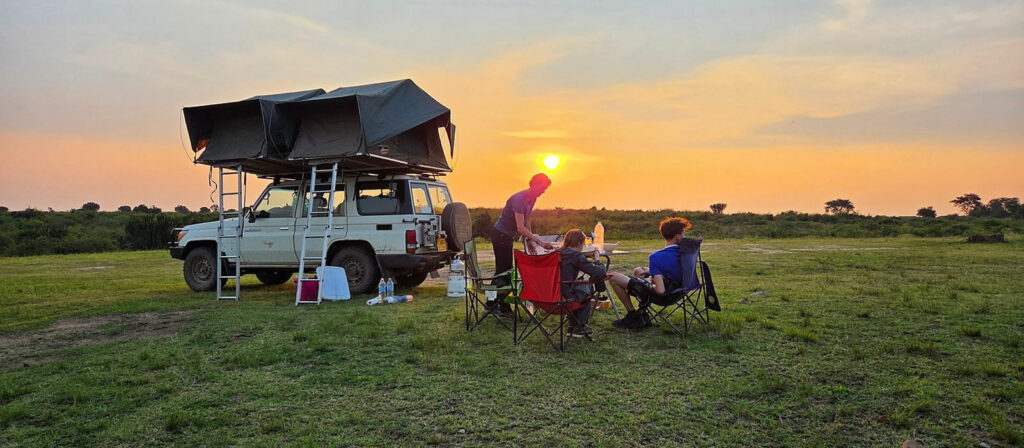
January–February Tanzania Camping Safari: Experience the Great Migration Calving Season
A January–February Tanzania camping safari offers one of the most spectacular wildlife experiences in Africa. While many travelers believe the best time to visit Tanzania is during the long dry season, those who venture into the country’s wilderness in January and February are rewarded with lush green landscapes, fewer crowds, comfortable weather, and the extraordinary spectacle of the Great Wildebeest Migration calving season.
This short dry season is an ideal time for both guided and self-drive camping safaris. The parks are vibrant with wildlife, migratory birds fill the skies, and predator activity reaches remarkable levels as thousands of wildebeest calves are born across the southern Serengeti plains. Whether you are camping beneath the stars in the Serengeti or enjoying sunrise over the Ngorongoro Highlands, this period delivers unforgettable moments that few other safari seasons can match.
Why Choose a Camping Safari in January and February?
Camping brings you closer to nature than any lodge or hotel ever could. Waking up to the sounds of birds, hearing lions roar in the distance after sunset, and enjoying dinner around a campfire creates a genuine African safari experience.
January and February provide excellent conditions for camping because the weather is generally warm and pleasant. The short rains have already refreshed the landscape, leaving the parks green and beautiful without the prolonged downpours associated with the long rainy season. Roads throughout Northern Tanzania are usually accessible, making travel between parks relatively comfortable for both guided tours and self-drive adventures.
Another advantage is that these months receive fewer international visitors compared to the peak season between June and October. Campsites are less crowded, game viewing feels more exclusive, and photographers often find it easier to capture wildlife without large numbers of safari vehicles nearby.
Witness the Great Migration Calving Season
The highlight of a January–February safari is undoubtedly the Great Migration calving season.
After months of movement across the Serengeti ecosystem, more than a million wildebeest gather on the fertile short-grass plains of Southern Serengeti and the Ndutu Conservation Area. The nutrient-rich grass provides ideal conditions for pregnant females, and over a remarkably short period, hundreds of thousands of calves are born.
During peak calving, thousands of newborn wildebeest can arrive every day. Within minutes of birth, the calves are already attempting to stand, and within a few hours, they are capable of running with the herd. This incredible survival instinct is essential because predators are never far away.
The abundance of vulnerable young animals attracts lions, cheetahs, leopards, hyenas, jackals, and other carnivores. As a result, visitors often witness dramatic predator-prey interactions that rank among Africa’s most memorable wildlife experiences. For photographers and wildlife enthusiasts, few safari events compare to the excitement of the calving season.
Explore Tanzania’s Iconic National Parks
While Southern Serengeti is the centerpiece of a January–February safari, combining several parks creates a richer and more diverse experience.
Southern Serengeti and Ndutu
The Southern Serengeti is where nature performs one of its greatest annual spectacles. Endless plains stretch to the horizon, dotted with wildebeest, zebras, gazelles, and predators patiently watching over the herds.
Game drives here are exceptionally rewarding. It is common to encounter lion prides resting after a successful hunt, cheetahs scanning the grasslands for an opportunity, or hyenas competing over fresh kills. Every drive presents something different, making multiple days in this region highly worthwhile.
Camping in or near the Serengeti allows travelers to begin game drives early in the morning when wildlife is most active and the golden light transforms the landscape into a photographer’s paradise.
Ngorongoro Crater
No northern Tanzania safari is complete without descending into the Ngorongoro Crater.
Often referred to as one of Africa’s natural wonders, this enormous volcanic caldera supports an extraordinary concentration of wildlife throughout the year. The crater’s permanent water sources and fertile grasslands provide ideal habitat for elephants, buffaloes, zebras, wildebeest, hippos, hyenas, and large prides of lions.
It is also one of the best places in Tanzania to see the endangered black rhino. Even a single day inside the crater offers remarkable game viewing, making it a perfect addition to a January–February camping itinerary.
Tarangire National Park
Tarangire may be famous for its massive elephant herds during the dry season, but it remains an attractive destination in January and February.
The recent rains leave the park green and full of life. Towering baobab trees dominate the landscape while elephants, giraffes, impalas, zebras, and countless bird species roam freely across the plains. Visitors also appreciate the quieter atmosphere, as the park receives fewer safari vehicles during this time of year.
Lake Manyara National Park
Nestled at the base of the Great Rift Valley escarpment, Lake Manyara National Park offers a completely different environment from the open plains of the Serengeti.
Dense groundwater forests, acacia woodlands, and the shallow soda lake support a remarkable variety of wildlife. Visitors may encounter elephants moving through the forest, large troops of baboons, graceful giraffes, hippos resting in the water, and, if fortunate, the park’s famous tree-climbing lions.
The park is also an excellent destination for birdwatching, with flamingos and numerous migratory species frequently gathering around the lake.
A Paradise for Birdwatchers
January and February represent one of Tanzania’s finest birdwatching seasons. Migratory birds from Europe and Asia join resident species, creating an astonishing diversity across wetlands, forests, and savannahs.
Even travelers primarily interested in mammals often find themselves captivated by colorful bee-eaters, kingfishers, hornbills, secretary birds, crowned cranes, and magnificent birds of prey soaring above the plains.
Why Self-Drive Camping is Growing in Popularity
More travelers are choosing self-drive camping safaris because they offer unmatched freedom and flexibility.
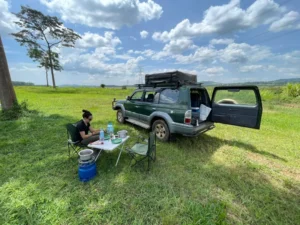
Driving your own fully equipped 4×4 allows you to travel at your own pace, spend extra time watching wildlife, and enjoy campsites located inside or near Tanzania’s national parks. Modern safari vehicles equipped with rooftop tents, refrigerators, cooking equipment, camping furniture, and recovery gear provide everything needed for a comfortable adventure.
Self-drive safaris are especially popular among couples, families, photographers, and experienced travelers who enjoy independent exploration without sacrificing comfort or safety.
Weather During January and February
The weather during these months is generally warm, sunny, and ideal for outdoor activities.
Daytime temperatures usually range between 25°C and 32°C, while evenings and early mornings are cooler, particularly around the Ngorongoro Highlands where temperatures can fall below 15°C. Short, isolated showers occasionally occur but rarely disrupt safari activities for long.
The combination of green landscapes, pleasant temperatures, and abundant wildlife makes this one of Tanzania’s most photogenic seasons.
A Suggested 10-Day Camping Safari
A well-planned itinerary allows travelers to experience the best of Northern Tanzania during this remarkable season.
Your journey can begin in Arusha before heading to Tarangire National Park, where elephants and baobab trees create unforgettable scenery. From there, continue to Lake Manyara before spending a night on the Ngorongoro Highlands.
The following day, descend into the Ngorongoro Crater for exceptional wildlife viewing before continuing to Southern Serengeti and the Ndutu region. Spending several days here provides enough time to witness the wildebeest calving season and the incredible predator activity that accompanies it. Conclude your safari with a visit to Central Serengeti before returning to Arusha.
This route combines Tanzania’s most iconic destinations while maximizing wildlife viewing during January and February.
Essential Packing Tips
Packing wisely enhances your camping experience. Lightweight clothing is suitable for warm daytime temperatures, while a fleece or light jacket provides comfort during chilly mornings and evenings. Comfortable walking shoes, sunscreen, sunglasses, insect repellent, binoculars, a reusable water bottle, camera equipment, and a power bank are all worthwhile additions.
Since many campsites are located in remote wilderness areas, having a flashlight or headlamp is also highly recommended.
Why January and February are Perfect for Photography
Wildlife photographers often consider these months among Tanzania’s finest.
The green scenery creates beautiful contrast with the golden coats of lions, the black-and-white stripes of zebras, and the vibrant colors of birdlife. Dramatic cloud formations add depth to landscape photographs, while the soft morning and evening light produces ideal conditions for capturing wildlife.
Most importantly, the presence of newborn wildebeest and increased predator activity creates opportunities for truly unique images rarely seen during other times of the year.
Plan Your January–February Tanzania Camping Safari
A camping safari during January and February offers much more than a holiday—it is an opportunity to experience one of nature’s greatest spectacles from the heart of the African wilderness. From witnessing thousands of wildebeest calves taking their first steps to enjoying peaceful evenings beneath a sky filled with stars, every day brings new adventures and unforgettable memories.
Whether you prefer the flexibility of a self-drive expedition or the convenience of a professionally guided safari, this season provides excellent weather, spectacular wildlife viewing, beautiful scenery, and exceptional value.
If you have been dreaming of an authentic African camping adventure, there are few better times to visit than January and February. Tanzania’s legendary national parks are waiting to welcome you with some of the finest safari experiences on Earth.
Frequently Asked Questions
Is January a good time for a Tanzania camping safari?
Yes. January offers warm temperatures, green landscapes, excellent wildlife viewing, and the beginning of the Great Migration calving season, making it one of the best months for camping.
What is special about February in Tanzania?
February is typically the peak of the wildebeest calving season in Southern Serengeti and Ndutu. This attracts large numbers of predators, resulting in exceptional game viewing.
Is a self-drive camping safari suitable for first-time visitors?
Absolutely. With a well-equipped 4×4, proper route planning, and reliable support from an experienced rental company, first-time visitors can safely enjoy Tanzania’s northern safari circuit.
Which parks should I include?
For the best January–February experience, include Tarangire National Park, Lake Manyara National Park, Ngorongoro Crater, Southern Serengeti (Ndutu), and Central Serengeti.
How far in advance should I book?
It is advisable to reserve your vehicle, campsites, and park accommodations several months in advance, especially if you plan to travel during the peak calving period in February.