
Mbeya Self-Drive Camping Safari: Tanzania’s Hidden Adventure Destination
When most travelers think of a Tanzanian safari, iconic destinations like the Serengeti, Ngorongoro Crater, and Tarangire National Park immediately come to mind. While these parks deserve their worldwide reputation, Tanzania is also home to remarkable regions that remain largely untouched by mass tourism. One of the finest examples is Mbeya, a destination where dramatic mountain landscapes, volcanic crater lakes, lush forests, tea plantations, waterfalls, and peaceful lakeshores combine to create an unforgettable self-drive camping adventure.
Located in Tanzania’s Southern Highlands, Mbeya is a paradise for travelers seeking freedom, scenic road trips, and authentic experiences. Instead of following crowded safari routes, you can spend your days driving through winding mountain roads, hiking to volcanic crater lakes, camping beside Lake Nyasa, exploring flower-filled plateaus, and interacting with welcoming local communities. Every day offers something different, making Mbeya one of the country’s most rewarding destinations for independent travelers.
A self-drive camping safari allows you to travel entirely at your own pace. You decide where to stop, how long to stay, and which hidden viewpoints deserve another visit. Whether you are beginning an overland expedition through southern Tanzania or looking for an alternative to the traditional safari circuit, Mbeya offers exceptional value and unforgettable scenery.
Where is Mbeya?
Mbeya lies approximately 850 kilometers southwest of Dar es Salaam and serves as the commercial heart of Tanzania’s Southern Highlands. The city sits at an elevation of more than 1,700 meters above sea level, creating a cool climate that differs dramatically from the warmer conditions experienced across much of the country.
Its strategic location makes Mbeya an excellent stop for travelers driving between Tanzania, Zambia, Malawi, and the western regions of the country. Modern highways connect the city with Dar es Salaam, Iringa, Tunduma Border, and other major destinations, making it one of Tanzania’s easiest remote regions to access by road.
The surrounding landscapes are among the most diverse in East Africa. Within a few hours of driving, visitors can experience volcanic mountains, dense forests, crater lakes, rolling farmland, tea estates, waterfalls, tropical beaches along Lake Nyasa, and high-altitude grasslands covered with colorful wildflowers.
Why Choose a Self-Drive Camping Safari in Mbeya?
Few regions in Tanzania reward independent travelers as much as Mbeya. Unlike popular safari destinations where daily schedules are often fixed, a self-drive journey offers complete flexibility. You can leave camp at sunrise to photograph mist-covered mountains, stop at roadside viewpoints whenever the scenery captures your attention, or spend an extra afternoon relaxing beside Lake Nyasa without worrying about group itineraries.
The roads leading to Mbeya are generally in good condition, while many of the region’s attractions remain uncrowded throughout the year. This creates an ideal balance between accessibility and adventure. A well-equipped 4×4 vehicle allows visitors to comfortably explore national parks, mountain trails, rural villages, and lakeside campsites that would otherwise be difficult to reach.
Camping adds another layer to the experience. Rather than returning to hotels every evening, travelers wake to birdsong, enjoy breakfast surrounded by nature, and watch spectacular sunsets from their own campsite. The Southern Highlands are particularly rewarding for camping because of their cool evenings, peaceful surroundings, and breathtaking scenery.
Best Time to Visit Mbeya
Mbeya can be visited throughout the year, but seasonal conditions influence both road accessibility and outdoor activities.
The dry season, from June through October, is generally considered the best time for a self-drive camping safari. Clear skies, comfortable temperatures, and dry roads make driving enjoyable, while hiking trails remain in excellent condition. Nighttime temperatures can become surprisingly cool, especially around Kitulo Plateau and other high-altitude areas, making warm clothing essential for campers.
The short rains from November to December transform the countryside into vibrant shades of green. Wildflowers begin to bloom, rivers flow strongly, and the surrounding forests become particularly beautiful. Although occasional showers occur, travel remains relatively straightforward.
January and February continue to offer pleasant conditions with lush scenery and fewer visitors. This period is especially attractive for photographers seeking dramatic landscapes.
The long rainy season between March and May brings heavier rainfall, particularly in mountainous areas. Some gravel roads become slippery, and certain camping areas may be more challenging to access. Travelers planning to visit during this period should ensure they have a capable four-wheel-drive vehicle and sufficient recovery equipment.
Getting to Mbeya
Driving to Mbeya is part of the adventure itself. Travelers arriving from Dar es Salaam usually follow the Tanzam Highway through Morogoro and Iringa before reaching Mbeya. The journey covers approximately 850 kilometers and typically requires twelve to fourteen hours of driving, making an overnight stop in Iringa highly recommended.
Those beginning in northern Tanzania often travel through Dodoma and Iringa before continuing south. Although this route is considerably longer, it provides an excellent opportunity to combine northern and southern safari destinations into one extended overland journey.
Visitors arriving from Zambia can cross at the Tunduma Border before driving approximately one and a half hours to Mbeya. This route is particularly popular among overland travelers exploring multiple countries across Southern and East Africa.
From Malawi, travelers may enter Tanzania through Songwe Border before continuing to Mbeya via well-maintained highways.
Why a 4×4 Vehicle is Recommended
Although the main highways leading to Mbeya are paved, several of the region’s most rewarding attractions require leaving the tarmac behind. Mountain roads, national park access routes, and lakeside tracks can become rough, particularly after rainfall.
A reliable Toyota Land Cruiser equipped with four-wheel drive offers the best combination of comfort, safety, and capability. Its high ground clearance allows drivers to navigate uneven terrain confidently, while additional storage space accommodates camping equipment, food supplies, and extra fuel for extended journeys.
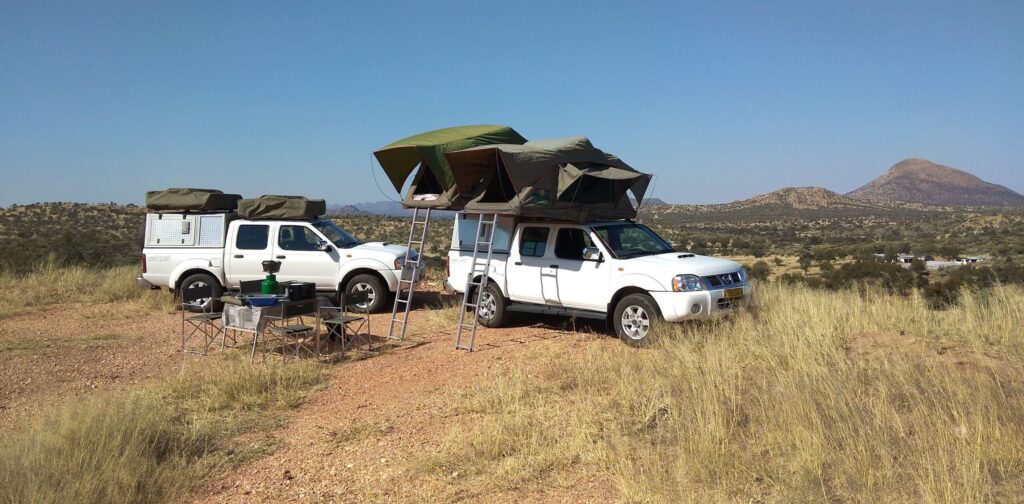
For couples and small groups, a rooftop tent transforms the vehicle into a complete mobile campsite. Instead of searching for accommodation every evening, travelers simply choose a designated campsite, unfold the tent, and enjoy the surrounding wilderness.
Beyond convenience, a properly equipped 4×4 provides peace of mind. Spare tyres, recovery equipment, long-range fuel capacity, and durable suspension become invaluable when exploring remote areas far from major towns.
A Suggested Seven-Day Mbeya Self-Drive Camping Safari
Arriving in Mbeya, spend your first day becoming familiar with the city. Wander through lively markets, enjoy local cuisine, and visit nearby viewpoints overlooking the surrounding mountains. The cool climate provides a refreshing introduction to Tanzania’s Southern Highlands, and it is an ideal opportunity to purchase supplies before beginning your camping adventure.
The following morning, drive toward the magnificent Lake Ngozi, one of Tanzania’s largest volcanic crater lakes. A short hike through lush montane forest leads to panoramic viewpoints overlooking emerald-green water enclosed by steep volcanic walls. The peaceful atmosphere, combined with abundant birdlife and fresh mountain air, makes Lake Ngozi one of Mbeya’s most memorable natural attractions.
Continue your journey to Kitulo National Park, often referred to as the “Garden of God.” Unlike traditional safari parks that focus on large mammals, Kitulo is internationally recognized for its extraordinary botanical diversity. During the flowering season, thousands of orchids and wildflowers cover the plateau in brilliant colors, attracting botanists, photographers, hikers, and bird enthusiasts from around the world.
After exploring Kitulo, descend toward the shores of Lake Nyasa, where Matema Beach offers an entirely different landscape. Palm trees, sandy beaches, crystal-clear freshwater, and surrounding mountains create one of Tanzania’s most scenic lakeside destinations. Camping beside the lake provides an unforgettable opportunity to watch both sunrise and sunset reflected across calm waters.
The following days can be spent exploring the Livingstone Mountains, visiting waterfalls hidden within forested valleys, discovering tea plantations that blanket the hillsides, and meeting local farming communities. Each destination showcases another aspect of Mbeya’s remarkable diversity, ensuring that no two days feel the same.
The final stage of your safari may continue toward Zambia, western Tanzania, or return north through Iringa depending on your broader travel plans.
Top Attractions on a Mbeya Self-Drive Camping Safari
One of the greatest advantages of choosing Mbeya for a self-drive camping safari is the remarkable variety of attractions within a relatively short driving distance. Unlike destinations that focus solely on wildlife, Mbeya combines volcanic landscapes, mountain forests, freshwater beaches, waterfalls, historical sites, and vibrant local culture. Every drive introduces a new landscape, making the journey just as rewarding as the destinations themselves.
Lake Ngozi – Tanzania’s Largest Volcanic Crater Lake
Hidden within the Poroto Mountains, Lake Ngozi is undoubtedly one of Mbeya’s most spectacular natural wonders. Formed inside an extinct volcano, the lake sits at an elevation of more than 2,000 meters above sea level and is surrounded by dense montane rainforest.
The drive to the trailhead passes through fertile farmland and small villages before entering a cool forest environment. From the parking area, a well-maintained hiking trail leads visitors through towering trees alive with birdsong and colorful butterflies. After approximately one hour of walking, the forest suddenly opens to reveal breathtaking panoramic views across the emerald-green crater lake.
Unlike many famous lakes in East Africa, Lake Ngozi remains wonderfully peaceful. Visitors often spend hours enjoying the scenery without encountering large crowds. The silence, broken only by birds and the occasional breeze, creates an atmosphere of complete tranquility.
Photographers will appreciate the constantly changing light as clouds drift across the crater walls, while nature lovers can enjoy the rich biodiversity of the surrounding forest. The cool temperatures also provide a welcome break from the heat experienced in much of Tanzania.
Kitulo National Park – The Garden of God
For many travelers, Kitulo National Park becomes the highlight of their Southern Highlands adventure. Covering more than 400 square kilometers, the park protects one of Africa’s most important high-altitude grassland ecosystems.
Rather than searching for lions or elephants, visitors come to Kitulo to experience one of the world’s finest botanical landscapes. During the rainy season, the plateau transforms into a spectacular carpet of wildflowers. More than 350 plant species flourish here, including dozens of orchid varieties found nowhere else on Earth.

The scenery changes dramatically throughout the year. During the dry season, rolling golden grasslands stretch toward distant mountains, creating excellent hiking opportunities. After the rains arrive, the entire plateau bursts into color as lilies, daisies, orchids, and countless flowering plants bloom simultaneously.
Birdwatchers are equally rewarded. The park supports numerous endemic bird species alongside raptors, sunbirds, and seasonal migrants. Because visitor numbers remain relatively low, wildlife encounters often feel intimate and uninterrupted.
Self-drive visitors appreciate the freedom to stop at scenic viewpoints, enjoy picnic lunches surrounded by mountain landscapes, and explore the park at their own pace.
Matema Beach – A Tropical Escape on Lake Nyasa
Few visitors expect to discover tropical beaches in Tanzania’s Southern Highlands, yet Matema Beach offers exactly that. Located on the northern shores of Lake Nyasa, this peaceful destination combines crystal-clear freshwater, golden sand, and dramatic mountain scenery.
The journey from Mbeya to Matema passes through spectacular valleys and steep mountain roads before descending toward one of Africa’s deepest lakes. Along the way, travelers enjoy breathtaking viewpoints overlooking the Livingstone Mountains and the shimmering waters below.
Camping beside the lake is one of the highlights of any Mbeya road trip. Evenings are calm and peaceful, while mornings often begin with local fishermen setting out across the water as the sun rises behind the surrounding mountains.
Visitors can spend their days swimming, kayaking, fishing, taking boat excursions, or simply relaxing beneath shady trees along the shoreline. Unlike many coastal destinations, Matema remains wonderfully uncrowded, allowing travelers to experience the lake’s natural beauty in complete peace.
The Livingstone Mountains
Towering above Lake Nyasa, the Livingstone Mountains form one of Tanzania’s most dramatic landscapes. Their steep slopes, winding roads, and panoramic viewpoints make them a dream destination for self-drive enthusiasts.
Driving through the mountains reveals constantly changing scenery. Dense forests give way to cultivated farmland, waterfalls tumble down rocky cliffs, and traditional villages cling to the hillsides. Every bend in the road presents another opportunity to stop and admire the view.
Several hiking trails lead deeper into the mountains, where visitors can explore forests rich in birdlife and discover hidden viewpoints overlooking Lake Nyasa far below. Coffee farms and banana plantations also dot the landscape, providing opportunities to experience rural life and sample locally grown produce.
Because tourism remains relatively undeveloped, interactions with local communities often feel genuine and welcoming. Many travelers consider these cultural encounters among the most memorable parts of their journey.
Mbozi Meteorite
One of Tanzania’s lesser-known attractions is the remarkable Mbozi Meteorite, located about 70 kilometers west of Mbeya.
Estimated to weigh around 16 tonnes, this enormous iron meteorite is believed to have landed thousands of years ago and remains one of the largest meteorites ever discovered in Africa. Local communities have long regarded it with curiosity and respect, while scientists continue to study its composition and origins.
The meteorite is protected as a national monument and can be reached easily during a self-drive excursion. Information boards explain its history, making it an interesting stop for travelers interested in geology, astronomy, and Tanzania’s natural heritage.
Kaporogwe Falls
Among Mbeya’s hidden treasures, Kaporogwe Falls offers an excellent destination for travelers seeking a peaceful escape into nature.
The waterfall is surrounded by lush vegetation and can be reached via scenic rural roads before a short walk through forest trails. During the rainy season, the falls become especially impressive as water cascades powerfully over rocky cliffs into natural pools below.
The area is ideal for photography, birdwatching, and relaxing after several days of driving. Visitors often enjoy a picnic while listening to the soothing sound of flowing water.
Because Kaporogwe Falls receives relatively few tourists, it provides a refreshing alternative to some of Tanzania’s more popular attractions.
Exploring Mbeya’s Tea Plantations
Mbeya is one of Tanzania’s leading tea-producing regions, and no self-drive safari would be complete without visiting one of its picturesque tea estates.
The neatly arranged tea bushes create beautiful green patterns across the rolling hills, particularly during the rainy season when the landscape is at its most vibrant. Early mornings often bring mist drifting through the plantations, creating stunning photographic opportunities.
Several estates welcome visitors interested in learning about tea cultivation and processing. Guided tours explain how freshly picked leaves are transformed into the finished product before being distributed throughout Tanzania and exported internationally.
Sampling freshly brewed tea while overlooking endless green hills provides a relaxing break from the day’s driving and offers insight into one of the region’s most important industries.
Camping in Mbeya
Camping is undoubtedly the best way to experience the Southern Highlands. Rather than rushing from one hotel to another, camping allows travelers to remain immersed in nature throughout their journey.
Several campsites are located near Lake Nyasa, while others provide convenient access to Kitulo National Park, Lake Ngozi, and surrounding mountain areas. Most established campsites offer basic facilities such as toilets, showers, water supply, and designated cooking areas, while some private camps provide additional amenities for travelers seeking extra comfort.
For experienced overland travelers, rooftop tents remain the preferred accommodation option. They are quick to set up, provide excellent protection from weather conditions, and allow visitors to camp comfortably in a variety of locations.
Cool mountain evenings make campfires particularly enjoyable. After a day of exploration, few experiences compare to preparing dinner under a sky filled with stars while listening to the sounds of nature surrounding your campsite.
Unlike the busy camps found in northern Tanzania during peak safari season, campsites around Mbeya are generally quiet, offering a true sense of wilderness and relaxation.
Wildlife and Birdwatching in Mbeya
Although Mbeya is not known for the classic “Big Five” safari experience, its remarkable biodiversity makes it an excellent destination for nature lovers. The region’s varied ecosystems—including montane forests, high-altitude grasslands, freshwater lakes, wetlands, and agricultural landscapes—support an impressive range of wildlife and bird species.
Visitors hiking through the forests around Lake Ngozi may encounter blue monkeys, vervet monkeys, bushbucks, and numerous smaller mammals. The dense vegetation also provides habitat for reptiles, colorful butterflies, and countless insects that play an essential role in maintaining the region’s delicate ecosystem.
Kitulo National Park is particularly famous among birdwatchers. The plateau attracts endemic species, migratory birds, raptors, sunbirds, and grassland specialists that thrive in the unique high-altitude environment. During the flowering season, birds can often be seen feeding among the colorful orchids and wildflowers, creating exceptional photography opportunities.
Lake Nyasa adds another dimension to Mbeya’s biodiversity. The shoreline supports fish eagles, kingfishers, cormorants, herons, and many waterbirds, while the lake itself contains hundreds of fish species, many of which are found nowhere else in the world.
Unlike traditional wildlife safaris where visitors may spend hours searching for animals, Mbeya offers a slower, more immersive experience that emphasizes landscapes, ecosystems, and the peaceful rhythms of nature.
Road Conditions and Driving Tips
One of the reasons Mbeya is becoming increasingly popular among self-drive enthusiasts is the quality of its road network. The main highways connecting Mbeya with Dar es Salaam, Iringa, Zambia, and Malawi are paved and generally well maintained, allowing comfortable long-distance travel.
However, many of the region’s most rewarding attractions are accessed via gravel roads. Routes leading to Kitulo National Park, mountain viewpoints, remote villages, and some lakeside campsites can become rough after rainfall. During the rainy season, muddy sections may require careful driving and the use of four-wheel drive.
Driving in the Southern Highlands also presents unique challenges due to the mountainous terrain. Steep gradients, sharp bends, and occasional fog require extra caution, particularly during the early morning and evening hours. Taking your time not only improves safety but also allows you to enjoy the spectacular scenery along the way.
Fuel stations are readily available in Mbeya town and along the major highways, but they become less frequent in remote areas. It is wise to refuel whenever possible before heading into national parks or isolated mountain regions.
Mobile phone coverage is generally reliable around towns and main roads, although some valleys and remote areas may have limited reception. Downloading offline maps before beginning your journey is highly recommended.
Essential Camping Equipment
A successful camping safari depends on being properly equipped. The cool climate of the Southern Highlands means your packing list may differ from a typical safari in northern Tanzania.
A reliable rooftop tent or quality ground tent provides comfortable accommodation throughout the journey. Warm sleeping bags are essential, particularly between June and August when nighttime temperatures can drop below 10°C in higher elevations.
Cooking equipment allows travelers to prepare meals at campsites while reducing travel costs. A portable gas stove, cooking utensils, reusable plates, and sufficient drinking water make daily camping straightforward and enjoyable.
Lighting is equally important. A rechargeable headlamp or lantern makes evening activities around camp safer and more convenient. Carrying spare batteries or a portable power station is advisable, especially during extended trips.
Your vehicle should also carry recovery equipment, including a high-lift jack, tow rope, air compressor, tyre repair kit, and at least one full-size spare tyre. Even experienced drivers can encounter unexpected punctures on gravel roads.
Finally, remember to pack layered clothing. Warm jackets, waterproof outerwear, comfortable hiking shoes, sun protection, insect repellent, and a well-stocked first aid kit will help ensure a safe and comfortable adventure.
Budgeting for a Mbeya Self-Drive Camping Safari
Compared to Tanzania’s famous northern safari circuit, a self-drive camping safari in Mbeya offers excellent value for money. Travelers have greater control over their expenses by choosing campsites instead of luxury lodges and preparing their own meals.
The primary costs include vehicle rental, fuel, national park entrance fees, campsite fees, food, and optional activities such as guided hikes or boat trips on Lake Nyasa. Since driving distances between attractions are relatively manageable, fuel consumption is often lower than on extended cross-country safaris.
Camping not only reduces accommodation costs but also creates a more authentic outdoor experience. Many campsites are located in beautiful natural settings where waking up to birdsong and mountain views becomes part of the adventure itself.
Travelers planning longer overland expeditions can also combine Mbeya with nearby destinations such as Ruaha National Park, Katavi National Park, or Mahale Mountains National Park, creating an unforgettable journey through some of Tanzania’s least-visited regions.
Safety Tips for Self-Drive Travelers
Mbeya is generally regarded as a safe destination for independent travelers, but sensible precautions should always be taken.
Avoid driving after dark whenever possible, particularly on rural roads where livestock, cyclists, and pedestrians may be difficult to see. Mountain roads can also become hazardous at night due to reduced visibility and occasional fog.
When camping, use established campsites or locations approved by local authorities. Secure valuables inside your vehicle and avoid leaving food outside overnight, as it may attract wildlife or stray animals.
Before departing each morning, inspect your vehicle by checking tyre pressure, engine oil, coolant levels, and fuel. Small maintenance checks can prevent significant delays later in the journey.
Always inform someone of your planned route if traveling into remote areas, especially when hiking or camping away from towns. Carrying emergency contact numbers, a fully charged mobile phone, and a paper map alongside your GPS provides additional peace of mind.
Finally, respect local communities and protected areas. Drive slowly through villages, ask permission before photographing people, and follow all national park regulations to help preserve the region’s unique natural and cultural heritage.
Frequently Asked Questions
Is Mbeya suitable for first-time self-drive travelers?
Yes. The main highways are in good condition, and the region is relatively easy to navigate. However, a 4×4 vehicle is recommended if you plan to explore national parks, mountain roads, or remote campsites.
How many days should I spend in Mbeya?
A minimum of five days allows you to visit the main attractions, but seven to ten days provides a more relaxed experience and enough time to explore Lake Ngozi, Kitulo National Park, Matema Beach, the Livingstone Mountains, and nearby cultural sites.
Can I camp throughout the trip?
Absolutely. Mbeya has several public and private campsites, and many travelers choose rooftop tents for maximum flexibility. Camping is one of the best ways to experience the region’s peaceful landscapes.
Is a 4WD necessary?
For travel on major highways, a standard vehicle may be sufficient. However, if you intend to visit Kitulo National Park, remote viewpoints, or campsites during the rainy season, a high-clearance four-wheel-drive vehicle is strongly recommended.
Can Mbeya be combined with other safari destinations?
Yes. Mbeya is an excellent addition to longer self-drive itineraries that include Ruaha National Park, Katavi National Park, Mahale Mountains National Park, Mikumi National Park, Lake Tanganyika, Zambia, or Malawi.
Why Choose Pendo La Africa Safaris for Your Mbeya Self-Drive Adventure?
Planning a self-drive camping safari requires more than simply hiring a vehicle. Reliable equipment, local knowledge, and dependable support can make the difference between an enjoyable holiday and a stressful experience.
At Tanzania camping safari, we specialize in fully equipped 4×4 self-drive adventures throughout Tanzania. Our safari-ready Toyota Land Cruisers are maintained to the highest standards and are equipped with rooftop tents, camping gear, recovery equipment, spare tyres, and everything needed for comfortable travel in remote areas.
Our team provides detailed route planning, up-to-date road condition advice, national park information, and 24/7 emergency assistance, allowing you to travel with complete confidence. Whether you are exploring the Southern Highlands for a week or embarking on a month-long overland expedition across East Africa, we are committed to helping you experience Tanzania safely, comfortably, and at your own pace.
Conclusion
A Mbeya self-drive camping safari reveals a side of Tanzania that many visitors never have the opportunity to experience. Instead of crowded game-viewing circuits, you will discover volcanic crater lakes hidden within mountain forests, flower-covered plateaus stretching to the horizon, pristine freshwater beaches, spectacular waterfalls, scenic tea plantations, and welcoming local communities.
The freedom to design your own itinerary, choose your campsites, and travel at your own pace transforms an ordinary holiday into a genuine adventure. Every road leads to another breathtaking viewpoint, every sunrise offers a new landscape to explore, and every evening around the campfire becomes part of a story you will remember long after your journey has ended.
For travelers seeking something beyond the traditional safari, Mbeya is one of Tanzania’s best-kept secrets. With a reliable 4×4, a spirit of adventure, and the right preparation, the Southern Highlands promise an unforgettable self-drive camping experience filled with discovery, freedom, and some of the country’s most spectacular scenery.