
Tanzania Camping Safari (June to October): The Ultimate Dry Season Adventure
A Tanzania camping safari from June to October offers one of the most rewarding wildlife experiences in Africa. During these months, Tanzania enters its famous dry season, transforming the country’s national parks into incredible wildlife viewing destinations. Animals gather around shrinking rivers and waterholes, vegetation becomes thinner, roads improve, and safari conditions reach their peak.
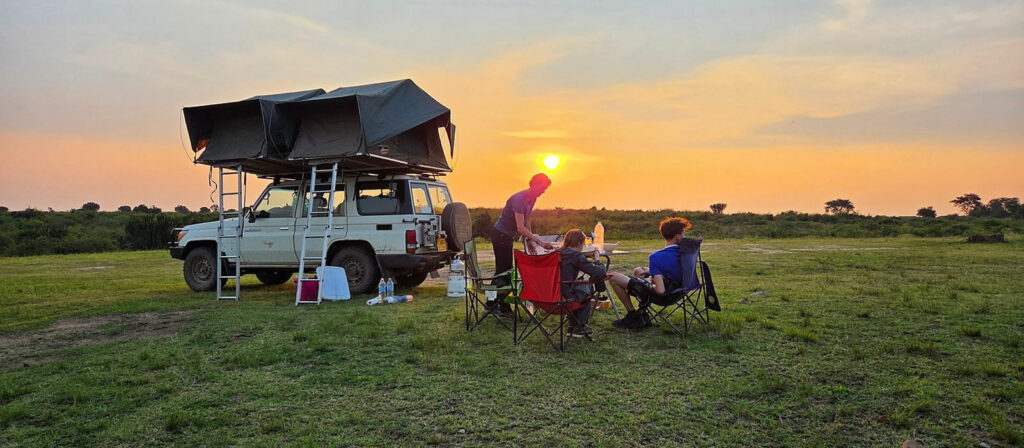
For travelers seeking authentic African wilderness experiences, camping safaris provide a deeper connection to nature than traditional lodge stays. Falling asleep to the distant roar of lions, waking up to birdsong across the savannah, and gathering around a campfire beneath star-filled skies are moments that define the magic of Tanzania.
Whether you are planning your first safari or returning for another East African adventure, the period between June and October is considered the best time to experience Tanzania’s iconic landscapes and wildlife. From the endless plains of Serengeti National Park to the elephant-filled valleys of Tarangire and the breathtaking Ngorongoro Crater, every destination becomes spectacular during the dry season.
This guide explores everything you need to know about Tanzania camping safaris from June to October, including weather conditions, wildlife highlights, best destinations, accommodation options, travel tips, and why this season is perfect for an unforgettable safari holiday.
Why Choose a Tanzania Camping Safari?
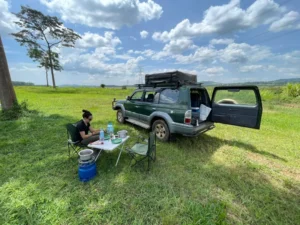
Camping safaris have become increasingly popular among travelers who want a more immersive safari experience. Unlike staying in enclosed lodges or hotels, camping places you directly in the heart of the wilderness. You experience the sounds, smells, and atmosphere of Africa in a way that feels adventurous, authentic, and unforgettable.
One of the greatest advantages of camping safaris is the connection to nature. Instead of simply visiting the parks during daytime game drives, you remain surrounded by wildlife throughout the night. The distant laughter of hyenas, the rustling of zebras near camp, and the early morning sounds of birds create a unique safari atmosphere impossible to replicate elsewhere.
Camping safaris are also more flexible and often more affordable than luxury lodge safaris. Travelers can choose from several styles of camping, including budget public camping, comfortable mid-range tented camps, and luxury mobile camps with private bathrooms and excellent service.
For photographers, adventure travelers, families, and nature enthusiasts, camping safaris provide a more personal and engaging way to explore Tanzania’s wilderness.
Why June to October is the Best Safari Season
The period from June through October marks Tanzania’s long dry season. This season creates ideal safari conditions across both the Northern and Southern safari circuits.
During the rainy months, wildlife disperses widely because water and food are abundant across the landscape. However, once the dry season begins, animals start concentrating around permanent rivers, lakes, and waterholes. This makes wildlife easier to locate and dramatically improves game viewing opportunities.
The dry season also offers clear skies, warm sunny days, lower humidity, and cooler evenings. Roads inside national parks become easier to navigate, and campsites remain dry and comfortable.
Another advantage is reduced vegetation. Shorter grass and thinner bush make it easier to spot predators such as lions, leopards, and cheetahs.
For many travelers, June to October represents the classic African safari season often seen in documentaries and wildlife photography.
Tanzania Weather from June to October
June – The Transition into Dry Season
June marks the beginning of the dry season. The landscape still retains some green scenery from the previous rainy months, but rainfall decreases significantly. Wildlife viewing starts improving quickly as animals begin moving toward reliable water sources.
Temperatures are generally pleasant, with warm days and cooler mornings. Parks are also less crowded compared to peak months like July and August, making June an excellent option for travelers seeking quieter safaris and slightly lower prices.
July and August – Peak Safari Months
July and August are considered peak safari months in Tanzania. Weather conditions are excellent, with almost no rainfall and comfortable daytime temperatures.
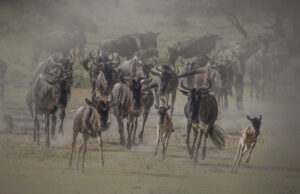
These months are especially famous for the Great Migration river crossing season in northern Serengeti. Massive herds of wildebeest and zebras move toward the Mara River, creating dramatic wildlife encounters as crocodiles and predators wait nearby.
Because these months attract international travelers from Europe and North America during summer holidays, camps and safari packages often sell out early.
September – Prime Wildlife Viewing
September continues to offer excellent safari conditions. The dry season intensifies, and wildlife concentrations around rivers and waterholes become even more impressive.
Predator sightings are often exceptional during this month because prey animals remain concentrated in smaller areas. September also tends to have slightly fewer tourists compared to August.
October – Warm and Rewarding
October is the final month of the dry season before short rains begin later in the year. Temperatures become warmer, especially in lower-altitude parks.
Wildlife viewing remains excellent because water sources are still limited. This month can offer a balance between good safari conditions and slightly reduced prices compared to peak season.
Best Destinations for a Tanzania Camping Safari
Serengeti National Park
Serengeti National Park is Tanzania’s most famous safari destination and one of the world’s greatest wildlife areas. Covering vast open plains, woodlands, and river systems, the Serengeti offers incredible wildlife viewing throughout the year.
From June to October, the park becomes especially rewarding as the Great Migration moves across different regions of the ecosystem. Depending on the month, travelers can witness large herds of wildebeest, zebras, and gazelles migrating toward northern Serengeti and the Mara River.
Predator sightings are exceptional during the dry season. Lions rest beneath acacia trees, cheetahs hunt across open plains, and leopards hide in riverine forests.
Camping in Serengeti is one of the most memorable safari experiences in Africa. Whether staying at public campsites or luxury mobile camps, visitors enjoy evenings surrounded by the sounds of the wild.
Ngorongoro Conservation Area
The Ngorongoro Conservation Area is home to the famous Ngorongoro Crater, often called Africa’s Garden of Eden. The crater is the world’s largest intact volcanic caldera and supports an incredible concentration of wildlife.
One of the greatest advantages of Ngorongoro is the possibility of seeing the Big Five within a single day. Lions, elephants, buffaloes, rhinos, and leopards all inhabit the crater floor.
Camping along the crater rim provides stunning views and cooler mountain temperatures. Early morning descents into the crater are especially rewarding because animals are more active before midday.
Besides wildlife, the conservation area also offers cultural encounters with Maasai communities who continue living traditionally within the region.
Tarangire National Park
Tarangire National Park becomes extraordinary during the dry season. The Tarangire River acts as a permanent water source, attracting massive numbers of animals from surrounding areas.
The park is particularly famous for its huge elephant populations. During peak dry season months, visitors may witness hundreds of elephants gathering along the riverbanks.
Tarangire is also known for ancient baobab trees, excellent birdlife, giraffes, zebras, buffaloes, and large predator populations.
Compared to Serengeti and Ngorongoro, Tarangire often feels quieter and less crowded, making it ideal for travelers seeking a more peaceful camping safari experience.
Lake Manyara National Park
Lake Manyara National Park is one of Tanzania’s most scenic parks despite its relatively small size. The park features groundwater forests, acacia woodlands, open plains, and the alkaline lake itself.
The park is famous for tree-climbing lions, flamingos, and excellent birdwatching opportunities. During the dry season, wildlife viewing improves significantly as animals gather near permanent water sources.
Camping near Lake Manyara allows travelers to enjoy beautiful scenery and easy access to both the lake and surrounding forests.
Ruaha National Park
Ruaha National Park is Tanzania’s largest national park and one of East Africa’s hidden safari gems. Located in southern Tanzania, Ruaha offers remote wilderness experiences far from crowded tourist routes.
The dry season is the best time to visit because animals concentrate around the Great Ruaha River. The park supports large populations of elephants, lions, leopards, wild dogs, and antelope species.
Ruaha is particularly appealing for experienced safari travelers looking for untouched wilderness and excellent predator sightings.
Nyerere National Park
Formerly part of the Selous Game Reserve, Nyerere National Park is one of Africa’s largest protected wildlife areas.
The park offers a different safari atmosphere compared to northern Tanzania. In addition to traditional game drives, visitors can enjoy boat safaris along the Rufiji River and guided walking safaris.
During the dry season, wildlife gathers along river systems, creating excellent viewing opportunities for hippos, crocodiles, elephants, and numerous bird species.
Camping safaris in Nyerere feel adventurous and remote, making them perfect for travelers seeking authentic wilderness experiences.
The Great Migration During June to October
One of the biggest highlights of a Tanzania camping safari during the dry season is witnessing the Great Migration.
The migration involves over two million wildebeest, zebras, and gazelles moving through the Serengeti ecosystem in search of fresh grazing and water. It is considered one of the greatest wildlife spectacles on Earth.
June
During June, the migration usually moves through western Serengeti. River crossings at the Grumeti River can provide dramatic wildlife encounters.
July to August
The herds continue moving northward toward the Mara River. This period is famous for river crossings where thousands of wildebeest attempt to cross crocodile-filled waters.
Predator activity becomes intense during this season because lions, hyenas, and crocodiles follow the migration closely.
September to October
Large numbers of animals remain in northern Serengeti near the Kenya border. Wildlife viewing remains spectacular before the herds eventually begin moving south again later in the year.
For photographers and wildlife enthusiasts, witnessing the migration is often a once-in-a-lifetime experience.
Types of Camping Safaris in Tanzania
Budget Camping Safaris
Budget camping safaris are ideal for travelers seeking affordable adventures without sacrificing wildlife experiences.
Guests usually stay at public campsites inside or near national parks. Facilities may include shared bathrooms, dining tents, and basic safari tents.
These safaris are popular among backpackers, students, and adventure travelers.
Mid-Range Camping Safaris
Mid-range camping offers more comfort while maintaining an authentic safari atmosphere.
Tents are usually larger and more comfortable, often including proper beds, private dining areas, and improved facilities.
This option is popular among couples, families, and travelers wanting a balance between comfort and adventure.
Luxury Mobile Camping
Luxury mobile camps provide high-end safari experiences while remaining close to nature.
These camps often include:
- Spacious safari tents
- Ensuite bathrooms
- Hot showers
- Gourmet meals
- Professional service
- Excellent locations near wildlife areas
Luxury camping combines wilderness immersion with lodge-level comfort.
Wildlife You Can Expect to See
A Tanzania camping safari from June to October offers incredible wildlife diversity.
Common animals include:
- Lions
- Leopards
- Elephants
- Buffaloes
- Rhinos
- Giraffes
- Zebras
- Wildebeest
- Cheetahs
- Hyenas
- Hippos
- Crocodiles
- Warthogs
- Antelope species
Birdlife is also exceptional, especially near lakes and wetlands where flamingos, eagles, storks, kingfishers, and herons are common.
Cultural Experiences During Camping Safaris
Many Tanzania safaris also include cultural interactions with local communities.
The Maasai people are among East Africa’s most recognizable indigenous groups. Visitors may learn about traditional Maasai lifestyles, livestock practices, dances, and customs.
Other cultural experiences may include:
- Visiting local villages
- Traditional food tasting
- Market tours
- Handicraft workshops
- Community tourism projects
These experiences add cultural depth to wildlife adventures and support local communities through tourism.
What a Typical Safari Day Looks Like
Early Morning Game Drive
Most safari days begin before sunrise. Early morning is one of the best times for wildlife activity because temperatures are cooler and predators are often active.
Guests usually enjoy coffee or tea before departing for game drives.
Breakfast in the Bush
Some safaris include bush breakfasts served in scenic wilderness locations.
Midday Relaxation
During the hottest part of the day, travelers often return to camp for lunch and relaxation.
Afternoon Game Drive
Afternoon game drives continue wildlife exploration as animals become more active again.
Evening Campfire
Evenings around the campfire are among the highlights of camping safaris. Guests share stories, enjoy dinner, and listen to the sounds of the African wilderness.
What to Pack for a Tanzania Camping Safari
Packing properly is essential for comfort during a camping safari.
Recommended items include:
- Neutral-colored clothing
- Warm jacket for cool mornings
- Comfortable walking shoes
- Hat and sunglasses
- Sunscreen
- Insect repellent
- Binoculars
- Camera equipment
- Flashlight or headlamp
- Personal medications
- Reusable water bottle
Soft luggage bags are preferred over hard suitcases because they fit more easily inside safari vehicles.
Safety During Camping Safaris
Tanzania camping safaris are generally very safe when organized by professional operators.
Experienced guides and camp staff ensure guest safety throughout the journey. Visitors should always follow instructions, especially around wildlife areas.
Basic safety rules include:
- Never leaving camp alone at night
- Remaining inside safari vehicles during game drives unless instructed otherwise
- Avoiding sudden movements near wildlife
- Keeping tents zipped closed
Professional safari teams are highly trained in managing wildlife encounters safely.
Photography Opportunities
The dry season provides excellent photography conditions due to:
- Clear skies
- Better wildlife visibility
- Golden sunlight
- Concentrated animal activity
Popular photography subjects include:
- Big cats
- Elephant herds
- Great Migration crossings
- African sunsets
- Maasai culture
- Landscapes and baobab trees
Photographers often prefer early morning and late afternoon lighting for dramatic wildlife images.
Family Camping Safaris
Camping safaris can also be wonderful family experiences.
Children often enjoy:
- Seeing wildlife up close
- Learning about nature
- Sleeping in safari tents
- Campfire storytelling
- Outdoor adventures
Some safari operators provide family-friendly itineraries with shorter driving distances and activities designed for children.
Combining Safari with Zanzibar
Many travelers combine Tanzania camping safaris with beach holidays in Zanzibar.
After days of wildlife viewing and camping adventures, Zanzibar offers opportunities to relax on white sand beaches and enjoy Indian Ocean scenery.
Popular Zanzibar activities include:
- Snorkeling
- Diving
- Spice tours
- Stone Town exploration
- Sunset dhow cruises
The June to October period also provides excellent beach weather with sunny conditions and calm seas.
Budgeting for a Tanzania Camping Safari
Safari costs vary depending on:
- Duration
- Number of parks visited
- Camping style
- Group size
- Season
Budget camping safaris are usually the most affordable option, while luxury mobile camps can be significantly more expensive.
Travelers should also consider:
- Park entry fees
- Tips
- Flights
- Visa costs
- Travel insurance
Booking early is recommended during peak months to secure availability and better prices.
Responsible Tourism and Conservation
Tourism plays a major role in supporting conservation across Tanzania.
Responsible safari travel helps fund:
- Wildlife protection
- Anti-poaching efforts
- Community development
- National park management
Travelers can support sustainable tourism by:
- Choosing responsible safari operators
- Respecting wildlife rules
- Reducing plastic waste
- Supporting local communities
Protecting Tanzania’s ecosystems ensures future generations can continue experiencing these extraordinary landscapes and wildlife populations.
Final Thoughts
A Tanzania camping safari from June to October represents one of Africa’s greatest travel experiences. The dry season creates ideal conditions for wildlife viewing, photography, and outdoor adventure while Tanzania’s iconic parks deliver unforgettable encounters with nature.
Whether watching wildebeest cross the Mara River, listening to lions roar across the Serengeti plains, exploring the Ngorongoro Crater, or gathering around a campfire beneath African stars, every day on safari becomes a lasting memory.
Camping safaris provide an authentic way to experience Tanzania’s wilderness while remaining close to the landscapes and wildlife that make East Africa so extraordinary.
For travelers seeking adventure, natural beauty, and world-class wildlife experiences, Tanzania’s dry season camping safaris from June to October offer the ultimate African journey.