
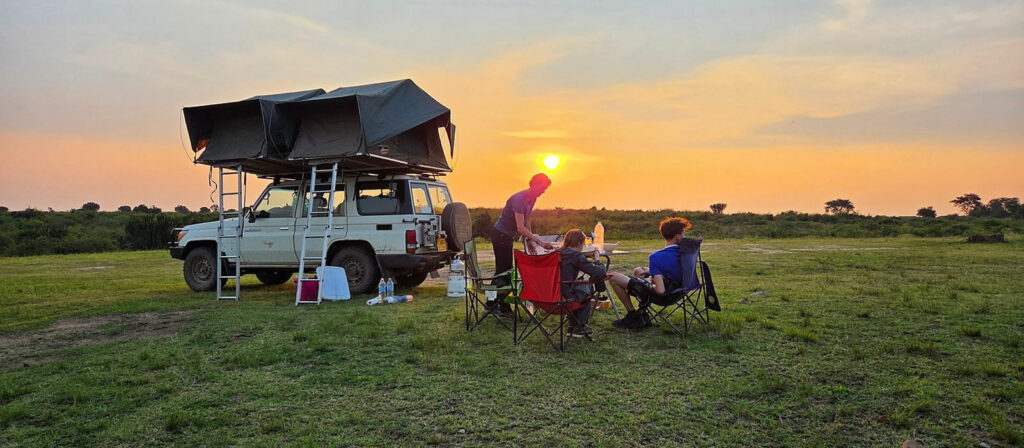
Tanzania Family Camping Safari: The Ultimate African Adventure for Families
A Tanzania family camping safari is one of the most exciting and rewarding travel experiences in Africa. It combines wildlife, adventure, nature, culture, and quality family time into a single unforgettable journey. Unlike ordinary vacations that revolve around hotels and crowded tourist attractions, a camping safari in Tanzania allows families to connect with nature while exploring some of the world’s most famous wildlife destinations. From watching elephants roam beneath giant baobab trees in Tarangire National Park to witnessing lions resting on the endless plains of Serengeti National Park, every day on safari becomes a memorable adventure.

Camping transforms a safari from a simple sightseeing holiday into a deeply immersive wilderness experience. Waking up to birdsong, hearing distant hyenas at night, and sitting around a campfire beneath African stars creates memories that stay with families for years. Tanzania is especially suitable for family camping safaris because it offers exceptional wildlife viewing, safe and established safari routes, and a wide range of camping styles suitable for different budgets and travel preferences.
Why Choose a Tanzania Family Camping Safari?
One of the biggest advantages of a Tanzania family camping safari is the opportunity for genuine family bonding. Modern life often keeps families distracted by work schedules, social media, and digital devices. A safari changes that completely. Families spend time together in safari vehicles, share wildlife sightings, enjoy outdoor meals, and experience the excitement of discovering animals in their natural habitats.
Children quickly become engaged during safari adventures. They ask questions about animal behavior, learn about ecosystems, and become curious about conservation and African culture. Parents often discover that safari travel encourages meaningful conversations and stronger family connections.
A camping safari is also one of the most educational holidays a family can experience. Instead of seeing wildlife in zoos or on television, children observe animals behaving naturally in the wild. Watching a herd of elephants crossing a dirt road or seeing giraffes feeding from acacia trees leaves a much stronger impression than anything found in a classroom or documentary.
Camping safaris are also more affordable than many luxury lodge safaris. Families can often spend more days exploring Tanzania’s parks while staying within a manageable budget. The sense of adventure and closeness to nature also gives camping safaris a unique charm that many travelers prefer over conventional accommodation.
Tanzania: One of Africa’s Best Family Safari Destinations
Tanzania is considered one of the best safari destinations in Africa because of its incredible biodiversity, famous national parks, and spectacular scenery. The country offers families a chance to see some of the world’s most iconic animals while traveling through landscapes that range from endless grasslands to volcanic craters and lush forests.
The northern safari circuit is especially popular for family camping safaris. This route includes several of Tanzania’s most famous wildlife areas, including Tarangire National Park, Lake Manyara National Park, Serengeti National Park, and the Ngorongoro Conservation Area.
Most safaris begin in Arusha, which serves as the main safari gateway in northern Tanzania. From Arusha, families can easily travel between parks while enjoying continuously changing scenery and wildlife encounters.
Exploring Tarangire National Park with Family
Tarangire National Park is often the first stop on a family camping safari itinerary, and it quickly becomes a favorite among children and parents alike. The park is famous for its giant elephant herds, iconic baobab trees, and peaceful safari atmosphere.

During the dry season, large numbers of animals gather around the Tarangire River, making wildlife easy to spot even for first-time safari travelers. Families commonly encounter elephants, giraffes, zebras, wildebeest, impalas, and occasionally lions. Children are often fascinated by the enormous elephant herds that move slowly across the landscape.
Another advantage of Tarangire is that it is generally less crowded than Serengeti. This gives families a quieter and more relaxed safari experience, especially during the early stages of the trip.
Lake Manyara: A Compact but Exciting Safari Experience
Lake Manyara National Park is smaller than Serengeti or Tarangire, but it offers incredible diversity within a compact area. Families can drive through lush groundwater forests filled with baboons and blue monkeys before reaching open plains and lakeshores populated by flamingos and other birdlife.
One of the park’s most famous attractions is its tree-climbing lions. Although sightings are never guaranteed, the possibility of seeing lions resting in trees adds excitement to every game drive.
Lake Manyara is particularly suitable for families with younger children because game drives are shorter and wildlife is often easy to find. The changing scenery also keeps children interested throughout the day.
The Magic of Serengeti National Park
For many travelers, the highlight of a Tanzania family camping safari is visiting Serengeti National Park. The Serengeti is one of the world’s most famous wildlife ecosystems and delivers an authentic African safari experience unlike anywhere else.

The endless plains, dramatic sunsets, and abundance of predators create unforgettable safari moments. Early morning game drives often reveal lions returning from nighttime hunts, cheetahs scanning the savannah for prey, or giraffes moving gracefully across the horizon.
Camping in the Serengeti makes the experience even more special. Instead of leaving the park after game drives, families remain immersed in the wilderness throughout the night. The sounds of hyenas, distant lions, and nocturnal wildlife create an atmosphere that few other travel experiences can match.
Witnessing the Great Migration
One of the main reasons families visit Tanzania is to witness the Great Migration. Millions of wildebeest, zebras, and gazelles move through the Serengeti ecosystem searching for fresh grazing.
Depending on the season, families may witness dramatic river crossings, newborn calves taking their first steps, or predators stalking the migrating herds. Children are often amazed not only by the size of the migration but also by the intense survival drama unfolding around them.
The migration changes location throughout the year, so safari itineraries are often designed according to seasonal wildlife movements.
Discovering the Ngorongoro Crater
The Ngorongoro Conservation Area offers one of the most rewarding safari experiences in Africa. The Ngorongoro Crater is a massive volcanic caldera filled with wildlife and breathtaking scenery.

Families descending into the crater floor may encounter lions, buffaloes, zebras, hippos, hyenas, and sometimes even the endangered black rhino. Because wildlife is concentrated inside the crater, children do not need to spend long periods searching for animals.
The crater’s dramatic scenery also creates excellent photography opportunities for families wanting memorable safari photos.
Types of Camping Safaris in Tanzania
Tanzania offers different camping styles depending on family preferences and budgets.
Budget camping safaris usually involve dome tents and shared facilities at public campsites. These safaris are ideal for adventurous families seeking an authentic outdoor experience while keeping costs lower.
Mid-range camping safaris provide more comfort with larger safari tents, proper beds, and sometimes private bathrooms. These safaris balance comfort with adventure and are popular among families traveling with children.
Luxury tented camps offer the atmosphere of camping combined with hotel-style comfort. Families enjoy spacious tents, en-suite bathrooms, quality dining, and personalized service while remaining surrounded by nature.
Is a Family Camping Safari Safe?
Safety is one of the biggest concerns for parents considering a Tanzania camping safari. Fortunately, Tanzania is one of Africa’s most established safari destinations, and organized camping safaris are generally very safe when families follow proper guidelines.
Professional safari guides and camp staff are highly experienced in managing wildlife environments and ensuring guest safety. Families are usually advised not to walk alone at night, remain within camp boundaries, and always listen carefully to guide instructions.
Most safari camps also provide staff escorts after dark if guests need assistance moving between tents and dining areas.
The Best Age for Children on Safari
Children of different ages experience safaris differently. Young children can enjoy safari adventures, although shorter itineraries and flexible schedules are usually recommended.
School-age children often thrive on safari because they enjoy spotting wildlife, learning about animals, and participating in outdoor activities. Teenagers generally appreciate the adventure aspect of camping, wildlife photography, and the excitement of exploring remote wilderness areas.
Parents who adapt safari schedules to their children’s energy levels usually enjoy the best overall experience.
Cultural Experiences Beyond Wildlife
A Tanzania family camping safari is not only about animals. Many itineraries also include cultural visits to local communities such as the Maasai people.

These visits allow families to learn about traditional lifestyles, livestock culture, and local customs. Children often enjoy seeing traditional dances, local homes, and handcrafted jewelry while gaining a broader understanding of East African culture.
Cultural tourism also supports local communities and creates meaningful connections between travelers and residents.
What to Pack for a Tanzania Family Camping Safari
Packing correctly can make a huge difference in safari comfort and enjoyment. Neutral-colored clothing is recommended because bright colors may disturb wildlife and attract insects.
Families should prepare for varying temperatures, especially in highland areas like Ngorongoro where mornings and evenings can become surprisingly cold.
Essential safari items include:
- Warm layers
- Comfortable walking shoes
- Flashlights or headlamps
- Sunscreen
- Insect repellent
- Reusable water bottles
- Binoculars
- Cameras
- Power banks
Children often enjoy having their own binoculars and cameras to participate actively during game drives.
Food and Dining During Camping Safaris
Many first-time travelers are surprised by how good safari food can be. Safari cooks usually prepare hearty breakfasts, picnic lunches, and warm dinners served at camp.
Meals commonly include rice, vegetables, soups, grilled meats, pasta dishes, eggs, pancakes, and fresh fruits. Most safari operators can accommodate vegetarian diets and family dietary requirements with advance notice.
Outdoor dining also becomes part of the adventure, especially when families enjoy meals surrounded by nature.
Best Time for a Tanzania Family Camping Safari
The dry season from June to October is generally considered the best time for wildlife viewing. Animals gather around water sources, vegetation is thinner, and roads are easier to navigate.
January to March is another excellent safari period, particularly in southern Serengeti where the wildebeest calving season attracts predators and creates dramatic wildlife action.
The rainy season from April to May offers greener landscapes and lower travel costs, although muddy roads and wetter camping conditions may challenge some families.
Combining Safari with Zanzibar Beach Holidays
One of Tanzania’s greatest advantages is the ability to combine safari adventures with tropical beach relaxation. After days of wildlife viewing and camping, many families continue to Zanzibar for a beach holiday.

Zanzibar offers white sand beaches, turquoise waters, snorkeling opportunities, cultural tours, and a relaxed atmosphere that perfectly complements the excitement of safari travel.
This combination of safari and beach creates one of Africa’s best family holiday experiences.
Teaching Conservation Through Safari Travel
A Tanzania family camping safari teaches children valuable lessons about conservation and environmental responsibility. Seeing wildlife in natural habitats helps young travelers understand why ecosystems and endangered species must be protected.
Families often leave Tanzania with a stronger appreciation for nature, conservation efforts, and the importance of preserving Africa’s wilderness for future generations.
Safari tourism also contributes significantly to local employment and wildlife protection programs throughout Tanzania.
Challenges Families Should Expect
Although camping safaris are incredibly rewarding, families should also prepare for certain challenges. Safari roads can be rough and dusty, especially during the dry season. Long driving distances between parks may occasionally test younger children’s patience.
Connectivity is often limited in remote areas, which may feel unfamiliar to travelers accustomed to constant internet access. However, many families eventually realize that disconnecting from technology becomes one of the most valuable parts of the safari experience.
Families who embrace flexibility, patience, and adventure usually enjoy the most rewarding safaris.
Choosing the Right Safari Operator
Selecting the right safari operator plays a major role in the overall safari experience. Experienced operators understand how to create child-friendly itineraries, maintain safe camping environments, and adapt schedules to family needs.
Important factors to consider include:
- Experienced guides
- Reliable safari vehicles
- Quality camping equipment
- Family-friendly itineraries
- Flexible schedules
- Strong safety standards
A well-organized safari operator can make family travel in Tanzania smooth, comfortable, and unforgettable.
Final Thoughts on Tanzania Family Camping Safaris
A Tanzania family camping safari is far more than a holiday. It is an opportunity to experience one of the world’s greatest wildlife destinations while creating lifelong memories together. Watching elephants cross dusty roads, hearing lions roar at night, exploring the Serengeti plains, and sharing stories around a campfire become moments families never forget.
Whether exploring the elephant-filled landscapes of Tarangire National Park, searching for predators in Serengeti National Park, or descending into the spectacular Ngorongoro Crater, Tanzania delivers one of Africa’s most extraordinary family adventures.
For families seeking wildlife, adventure, outdoor living, education, and meaningful connection, few travel experiences can match the magic of a Tanzania family camping safari.