
Serengeti National Park
Facts about Serengeti National Park will undoubtedly provide you with knowledge that you may not have previously possessed. Serengeti National Park is one of Africa’s most stunning locations, offering abundant wildlife in their natural habitat. Serengeti National Park is one of Tanzania’s premier national parks, attracting thousands of people each. Serengeti National Park, situated in northern Tanzania, adjoins Kenya to the north, with Ngorongoro Crater located immediately to the south.
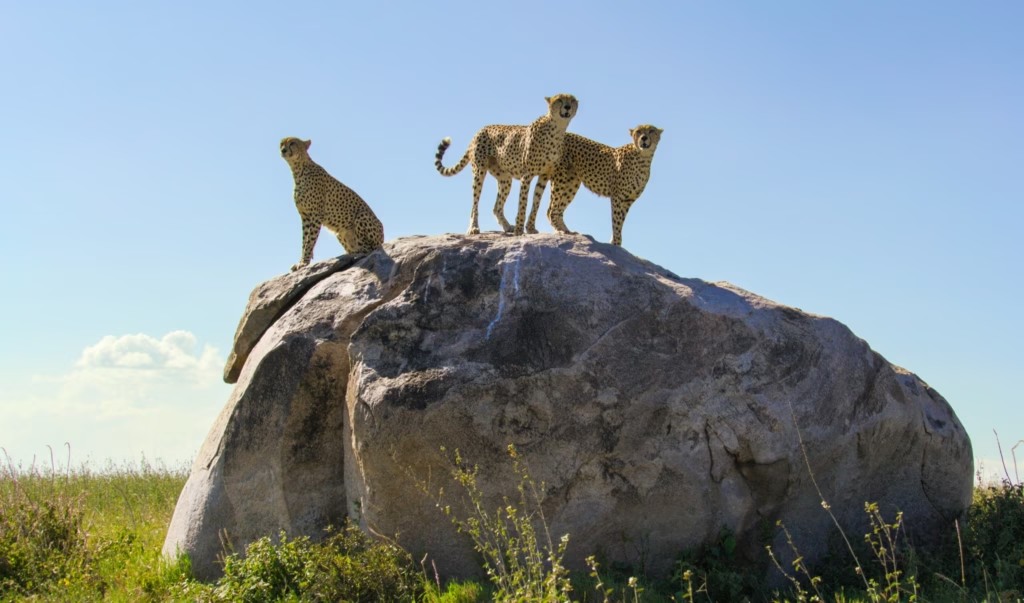
Serengeti National Park is a component of Tanzania’s northern safari circuit, which includes Ngorongoro Conservation Area, Lake Manyara National Park, Tarangire National Park, and Mount Kilimanjaro, offering adventure travelers the chance to ascend Africa’s highest peak. Serengeti National Park is home to the African Big Five, along with a diverse array of wildlife, including wildebeests, zebras, giraffes, wild dogs, and cheetahs. Additionally, the park boasts a rich avian population, ensuring a continuous chorus of bird sounds throughout the day.
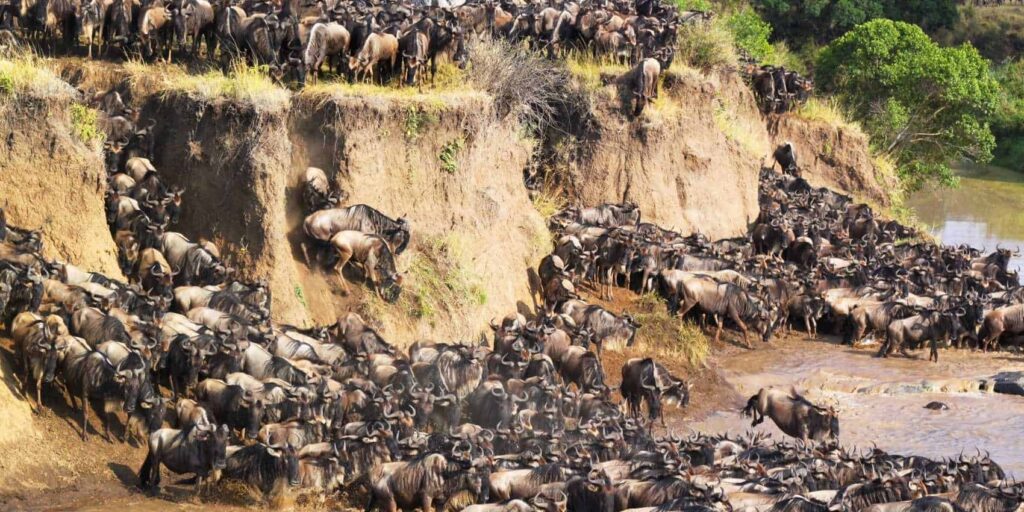
What is the significance of Serengeti National Park? The Serengeti is renowned for the great wildebeest migration, an annual phenomenon involving approximately 1 million wildebeests and numerous zebras, gazelles, and other species traversing the Grumeti River and the Mara River to reach the Maasai Mara National Reserve in Kenya. The wildebeest migration is a remarkable phenomenon to observe if you schedule your Serengeti wildlife safari in accordance with the migration cycle of Serengeti National Park. Here are few facts about Serengeti National Park that you may be familiar with or would like to learn.
Serengeti National Park is home to the greatest unmodified yearly animal movement, the great wildebeest migration, which involves millions of animals traversing the Mara River to the Maasai Mara National Reserve in Kenya. Over 1.7 million wildebeests, along with hundreds of thousands of zebras and antelopes, traverse the Ndutu region of southern Serengeti National Park, migrating northward to the Maasai Mara National Reserve in Kenya, where crocodiles lie in wait in the Mara River and various predators, such as lions and cheetahs, lurk along the banks.
In 2013, the great wildebeest migration was designated as one of the Seven Natural Wonders of Africa, alongside Mount Kilimanjaro, Okavango Delta, the Sahara Desert, Ngorongoro Crater, and the Red Sea reef system. Indeed, three of the Seven Natural Wonders of the World are located in Tanzania; ensure to embark on a wildlife safari to explore these remarkable sites.
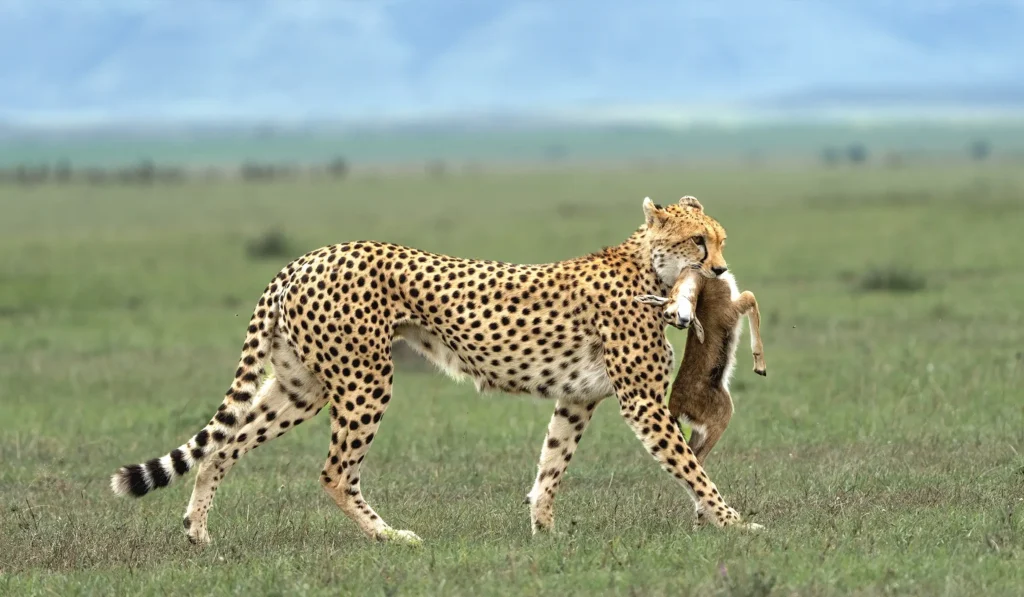
Serengeti National Park harbors the biggest population of both large and small predators globally. Predators in Serengeti National Park include lions, cheetahs, hyenas, jackals, and leopards, among others. Game drives in Serengeti National Park allow for the observation of these carnivores and more Serengeti fauna.
All three major felids are readily observable in Serengeti National Park. Lions and cheetahs are frequently observed in the southeastern grasslands of Serengeti National Park, but leopards are typically found resting in trees around the Seronera River.
The term Serengeti originates from the Maasai word “siringit,” signifying “endless plains,” which accurately characterizes the essence of Serengeti National Park. This is a precise depiction of Serengeti National Park, as the ecosystem extends over 30,000 square kilometers, encompassing the Maasai Mara National Reserve in Kenya.
The Serengeti National Park harbors the oldest ecosystem globally, featuring distinctive flora and animals exclusive to this region.
Serengeti National Park is home to more than 500 bird species, which avian enthusiasts can observe through birding safaris or during game drives within the park. Common observations in Serengeti National Park encompass many species of vultures, ostriches, secretary birds, and Kori bustards, among numerous more.
Serengeti National Park is among the premier and most frequented national parks in Tanzania, offering guests exceptional wildlife viewing experiences on its expansive savannah plains.
Best Time to Visit Serengeti National Park: Month-by-Month Safari Guide
Overview
The best time to visit Serengeti National Park depends on what you want to see—the Great Migration, predator action, calving season, or fewer crowds. The Serengeti is a year-round safari destination, but wildlife movement and weather vary by season and region.
This guide explains the best months, seasons, and wildlife highlights to help you plan the perfect Serengeti safari.
Best Overall Time to Visit Serengeti
✅ June to October (Dry Season)
This period is considered the best time to visit Serengeti National Park for most travelers.
Why it’s ideal:
-
Excellent wildlife viewing
-
Short grass, easier animal spotting
-
Less rainfall
-
Comfortable temperatures
-
Peak Great Migration action
This is also the high season, so prices and visitor numbers are higher.
Best Time to See the Great Migration
🐃 June – July: Western Serengeti
-
Migration moves toward the Grumeti River
-
Dramatic river crossings begin
-
High concentration of wildebeest and zebras
🐊 August – September: Northern Serengeti
-
Famous Mara River crossings
-
Peak migration drama
-
Best chance to see crocodile action
👉 This is the most popular time to visit Serengeti.
Best Time for Calving Season
🐄 January – February: Southern Serengeti (Ndutu Area)
This is one of the most spectacular wildlife periods.
Highlights:
-
Thousands of wildebeest calves born daily
-
High predator activity (lions, cheetahs, hyenas)
-
Excellent photography
-
Fewer crowds than peak dry season
This is the best time for predator sightings.
Best Time for Fewer Crowds & Lower Prices
🌿 March – May (Green / Rainy Season)
Pros:
-
Lush green landscapes
-
Fewer tourists
-
Lower lodge rates
-
Beautiful skies for photography
Cons:
-
Heavy rains in April and May
-
Some roads become muddy
-
Migration is more dispersed
Still excellent for experienced safari travelers.
Best Time for Budget Travelers
💰 November & March
-
Shoulder seasons
-
Fewer crowds
-
Moderate prices
-
Good wildlife sightings
Short rains are usually brief and don’t affect game drives much.
Month-by-Month Serengeti Safari Guide
| Month | What to Expect |
|---|---|
| Jan | Calving season begins |
| Feb | Peak calving & predators |
| Mar | Green season, fewer crowds |
| Apr | Heavy rains, low prices |
| May | End of rains, migration moves |
| Jun | Migration heads west |
| Jul | Grumeti crossings |
| Aug | Mara River crossings |
| Sep | Peak migration north |
| Oct | Dry season continues |
| Nov | Short rains begin |
| Dec | Migration returns south |
Best Time to Visit Serengeti for Families
-
June – October (dry, easier travel)
-
January – February (great wildlife, pleasant weather)
Avoid April–May for families with young children due to rain and road conditions.
Best Time for Photography
-
January – February: Calving, green landscapes
-
August – September: River crossings, dust, drama
-
June – July: Golden light, dry scenery
Weather Overview
| Season | Conditions |
|---|---|
| Dry Season | June–October |
| Short Rains | November |
| Green Season | March–May |
| Short Dry | Jan–Feb |
Temperatures range between 20–30°C (68–86°F) year-round.
The best time to visit Serengeti National Park truly depends on your safari goals. If you want guaranteed wildlife and iconic migration scenes, June to October is ideal. For dramatic predator action and fewer crowds, January to February is unbeatable.
Attractions and Things to Do in Serengeti National Park
What activities are available in the Serengeti? The primary attractions in the Serengeti include nature walks, game drives, hot air balloon safaris, bush meals, the Serengeti Visitor Center, Olduvai Gorge, the Ngorongoro Crater, the observation of the wildebeest migration, interactions with the Maasai, camping, exploration of Bologonja Springs, the Lobo Valley, the Moru Kopjes, bird watching, swimming, the Hippo Pool, and Lake Natron. We will now examine each of them in greater depth.
Morning safari excursion
A game drive in Serengeti National Park is undoubtedly the most popular activity. This is the optimal method to observe the Big Five and other indigenous fauna. Fauna in the Serengeti exhibit heightened activity between the morning and evening hours. The morning game drive commences at sunrise and concludes at approximately 11:00 AM. It is intended to enable tourists to view nocturnal animals returning to their burrows or witness herbivores emerging to graze. The early game drive is particularly advantageous for observing hyenas, wild dogs, lions, cheetahs, leopards, and hippos when they return from nocturnal foraging outside the pools. Lions prefer to hunt during the night and early morning, before to the sun’s intensifying heat. Afternoon game drives are available from 2:00 PM until 5:30 PM. To ensure you do not overlook any attractions in Serengeti National Park, consider participating in the full-day game drive, which operates from 6:30 AM to 5:30 PM.
Guided Nature walks
Nature walks provide an exceptional opportunity to explore the Serengeti in a manner unattainable during a conventional game drive. The nature treks are erratic and do not adhere to designated paths. This enables the identification of reptiles, birds, insects, and other uncommon flora en route. Many nature hikes are arranged by various lodging establishments. An armed ranger, knowledgeable about the various animals in the park, will accompany you across the landscape.
Hot Air Balloon Trip
For an alternative viewpoint of the expansive Serengeti National Park, and if financially feasible, we strongly advocate for a hot air balloon safari. From thousands of feet in the air, you will obtain an aerial perspective of the plains and the fauna that inhabit there. Hot air balloon safaris are especially favored during the wildebeest migration, enabling passengers to witness them in large numbers. Hot air balloon excursions commence in the morning and conclude with a champagne breakfast in the African wilderness. Hot air balloons can accommodate between 12 and 16 individuals. It is necessary to reserve your excursion in advance and anticipate a payment of approximately $500. Hot air balloon excursions are ideal for honeymooners and individuals commemorating anniversaries or birthday celebrations. The pleasure of obtaining an aerial perspective of the Serengeti plains and Africa’s renowned wildlife will remain unforgettable.
Attend the Serengeti Visitor Center
If you seek comprehensive information about the park, you must visit the Visitor Center. The Centre houses displays and comprehensive information regarding the Serengeti, its ecosystem, and historical context. Subsequent to the facility tour, you may also explore the gift and coffee shops. Alternatively, you may seek rest in the picnic area, attractions within Serengeti National Park.
Wildebeest Migration
Annually, around 1.6 million animals, including zebras, gazelles, and wildebeest, migrate between Serengeti National Park and Masai Mara National Reserve. During their migration, they encounter significant hurdles and must dodge predators such as lions, hyenas, leopards, and wild dogs. One of their most significant hurdles is traversing the Mara River as they migrate to Kenya. They must traverse the crocodile-infested river and contend with the strong current. Crossing at an incorrect location on the river poses a risk of drowning or causing a stampede, potentially resulting in thousands of fatalities. The wildebeest migration draws tourists to the Serengeti due to its numerous possibilities to observe the intense confrontations between prey and predator. Travelers may even dedicate a whole day observing wildebeest as they graze or calve.
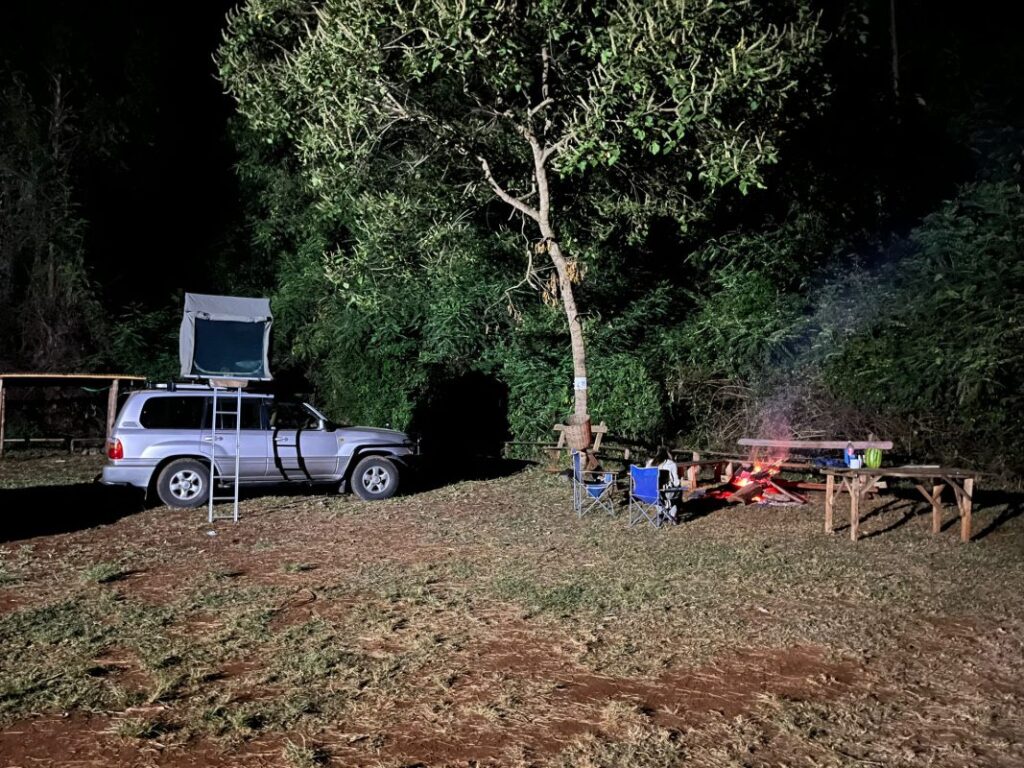
Outside camping
Camping in the outdoors is a common activity during a wildlife safari in Tanzania’s Serengeti. Your hotel need to furnish you with all necessary camping equipment, a chef, and armed security personnel. Camping becomes far more exhilarating when undertaken in a group. You will enjoy yourself with your peers while celebrating beneath the African sky. Standard tents are priced at approximately $50 per night, and luxury tents may reach up to $900 per night. Irrespective of choosing budget or luxury tents, the outcomes remain same. You will still have the opportunity to experience sleeping in the African wilderness, accompanied by the enchanting sounds of birds, prowling lions, and anxious animals, as well as attractions in Serengeti National Park.
Night Game Drive
Have you ever contemplated the experience of hearing nocturnal nature sounds? A nocturnal game drive is the ideal solution. Although night game drives are typically prohibited in Serengeti National Park, some outfitters can facilitate them in adjacent areas. The Serengeti and private conservancies host numerous nocturnal species, including civets, aardvarks, nightjars, and bush babies. Night game drives provide passengers the opportunity to watch zebras, hyenas, impalas, giraffes, jackals, and foxes. Lions, hyenas, and leopards exhibit heightened activity during nocturnal hours. This is the optimal moment to observe them capturing prey
Bird Watching
Serengeti National Park hosts 542 documented bird species. One hundred are permanent residents of the park, whereas eleven are indigenous to the Serengeti. Migratory birds also use the site from November to April. They originate from Europe and North Africa. The species of interest include the great African ostrich, vultures, black-headed heron, D’Arnaud’s barbet, dark chanting goshawk, Decken’s tok-tok, grey-breasted spurfowl, grey-headed sparrow, purple grenadier, red-backed scrub robin, rufous-tailed weaver, secretary bird, kori bustard, variable sunbird, white-bellied go-away bird, white-crowned shrike, and yellow-throated sandgrouse.