
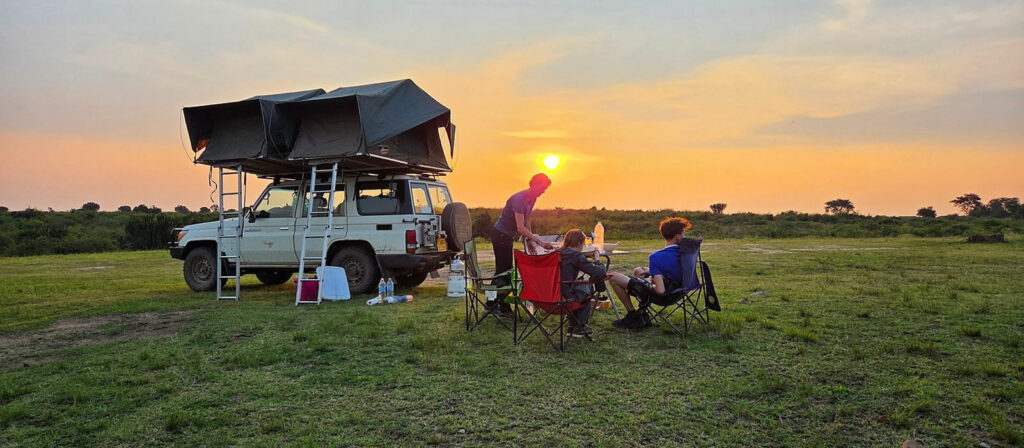
Arusha Self-Drive Camping Safari: The Ultimate Guide to Exploring Tanzania on Your Own Terms
A self-drive camping safari from Arusha is one of the most adventurous, flexible, and rewarding ways to experience Tanzania’s legendary wildlife and landscapes. Nestled at the base of Mount Meru and often referred to as the safari capital of northern Tanzania, Arusha is the perfect launchpad for an unforgettable overland journey.
From the elephant-rich plains of Tarangire National Park to the vast savannahs of Serengeti National Park and the breathtaking crater floor of Ngorongoro Conservation Area, a self-drive camping safari allows you to explore iconic destinations at your own pace while immersing yourself in the raw beauty of Africa.
This comprehensive guide covers everything you need to plan a successful Arusha self-drive camping safari—from routes and costs to safety tips and essential gear.
Why Choose an Arusha Self-Drive Camping Safari?
A self-drive safari is ideal for independent travelers, photographers, and adventure enthusiasts who prefer freedom over structured tours.
Freedom and Flexibility
Unlike guided safaris, you control your itinerary. Spend more time watching a lion hunt or detour to a scenic viewpoint without restrictions.
Budget-Friendly Travel
Camping and self-driving significantly reduce costs compared to luxury lodges and guided tours.
Authentic Wilderness Experience
Sleeping in campsites inside national parks brings you closer to nature—expect to hear lions roaring at night or hyenas passing by your tent.
Personalized Adventure
Travel at your own pace, choose your campsites, and design a safari that suits your interests.
Top Destinations for a Self-Drive Safari from Arusha
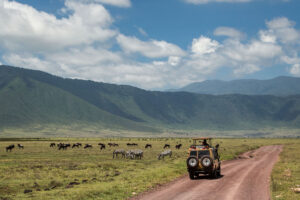
Tarangire National Park – Land of Giants
Tarangire National Park is often the first stop on a northern circuit safari, located about 120 km southwest of Arusha.
Why Visit:
- Large elephant herds
- Iconic baobab trees
- Seasonal Tarangire River attracting wildlife
Camping Experience:
Public campsites inside the park offer incredible views and frequent wildlife encounters right at your doorstep.
Lake Manyara National Park – A Hidden Gem
Lake Manyara National Park is a compact yet diverse park set against the dramatic Rift Valley escarpment.
Highlights:
- Tree-climbing lions
- Flamingo-filled lake shores
- Dense forests with monkeys and birds
Camping:
Several campsites are available, offering scenic views and easy park access.
Ngorongoro Conservation Area – Africa’s Eden
Ngorongoro Conservation Area is a UNESCO World Heritage Site and one of Africa’s most unique ecosystems.
Top Attractions:
- The Ngorongoro Crater
- Big Five wildlife sightings
- Cultural encounters with the Maasai
Camping Tip:
Simba Campsite on the crater rim offers stunning sunrise views, though temperatures can be quite cold.
Serengeti National Park – The Ultimate Safari Destination
Serengeti National Park is synonymous with African safaris.
Why It’s Special:
- The Great Migration
- Endless savannah plains
- High predator density
Camping Options:
- Public campsites in Seronera
- Remote wilderness camps for solitude
Expect unforgettable nights surrounded by the sounds of the wild.
Arusha National Park – Perfect Starting Point
Arusha National Park is ideal for a short introductory safari.
Features:
- Mount Meru scenery
- Canoeing and walking safaris
- Rich birdlife
Suggested 7-Day Arusha Self-Drive Camping Safari Itinerary
Day 1: Arrival in Arusha
Arrive in Arusha, pick up your 4×4 rental, stock up on supplies, and prepare for your journey.
Day 2: Arusha to Tarangire
Drive to Tarangire National Park for your first game drive and overnight camping.
Day 3: Tarangire to Lake Manyara
Enjoy a morning game drive before heading to Lake Manyara for an afternoon safari.
Day 4: Ngorongoro Crater Exploration
Descend into the crater early for a full-day wildlife experience.
Day 5–6: Serengeti Adventure
Drive into Serengeti National Park and spend two days exploring its vast plains.
Day 7: Return to Arusha
Head back to Arusha, concluding your safari adventure.
Choosing the Right Vehicle
A reliable 4×4 vehicle is essential for a successful self-drive safari.
Recommended Vehicle Type
- Toyota Land Cruiser (most popular choice)
- 4WD with high ground clearance
Must-Have Features
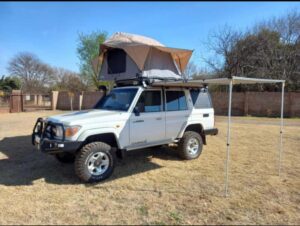
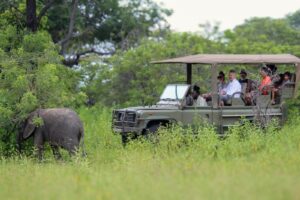
- Pop-up roof for game viewing
- Spare tires
- GPS or navigation system
Many rental companies in Arusha provide fully equipped vehicles with camping gear.
Essential Camping Gear Checklist
To ensure comfort and safety, pack the following:
- Rooftop or ground tent
- Sleeping bags and pillows
- Cooking equipment and utensils
- Portable stove
- Water containers
- Cooler or fridge
- Headlamp or flashlight
Being well-prepared enhances your overall safari experience.
Cost Breakdown of a Self-Drive Camping Safari
Daily Costs Estimate
- Vehicle rental: $120–$200
- Fuel: $30–$60
- Park fees: $50–$80 per person
- Camping fees: $10–$30 per person
Total Cost (7 Days)
Expect to spend approximately $1,200–$2,000 per person depending on group size and preferences.
Driving Tips for Tanzania
Road Conditions
- Good tarmac roads near towns
- Rough dirt tracks inside parks
- 4×4 required, especially in rainy season
Navigation Tools
Use apps like Maps.me or Google Maps for offline navigation.
Safety Advice
- Avoid driving at night
- Follow park rules
- Maintain safe distance from animals
Best Time to Go on a Self-Drive Safari
Dry Season (June to October)
- Best wildlife viewing
- Easier driving conditions
Green Season (November to May)
- Lush landscapes
- Fewer tourists
- More challenging roads
Pros and Cons of Self-Drive Camping Safaris
Pros
- Affordable
- Flexible
- Immersive
Cons
- Requires planning
- Navigation challenges
- No expert guide
Responsible Travel and Conservation
When embarking on a self-drive safari, it’s essential to travel responsibly:
- Respect wildlife and keep a safe distance
- Stick to designated tracks
- Avoid littering
- Support local communities
Sustainable travel ensures that Tanzania’s ecosystems remain preserved for future generations.
Tips for First-Time Self-Drive Safari Travelers
- Plan your route in advance
- Book campsites early during peak season
- Carry cash for park fees and fuel
- Learn basic vehicle maintenance
- Travel with a backup communication device
Frequently Asked Questions (FAQs)
Is a self-drive safari in Tanzania safe?
Yes, as long as you follow park rules and drive cautiously.
Do I need a special license?
An international driving permit is recommended.
Can I self-drive in Ngorongoro Crater?
Yes, but you must follow park regulations and pay entry fees.
Final Thoughts
An Arusha self-drive camping safari offers a rare combination of freedom, affordability, and adventure. Whether you’re navigating the baobab-dotted landscapes of Tarangire National Park or witnessing the Great Migration in Serengeti National Park, every moment is unforgettable.
For travelers seeking a deeper, more personal connection with Africa, this is the ultimate safari experience.
Ready to Start Your Adventure?
Plan your Arusha self-drive camping safari today and discover Tanzania like never before—wild, untamed, and entirely on your own terms.