
Nyerere National Park | Tanzania Safari, Wildlife & Travel Guide
Nyerere National Park was established from Selous Game Reserve in 2019. It was named in tribute to the inaugural President of Tanzania, Mwalimu Julius Kambarage Nyerere. Nyerere National Park, the largest national park in Tanzania, spans 30,893 square kilometers, or double the area of Belgium.
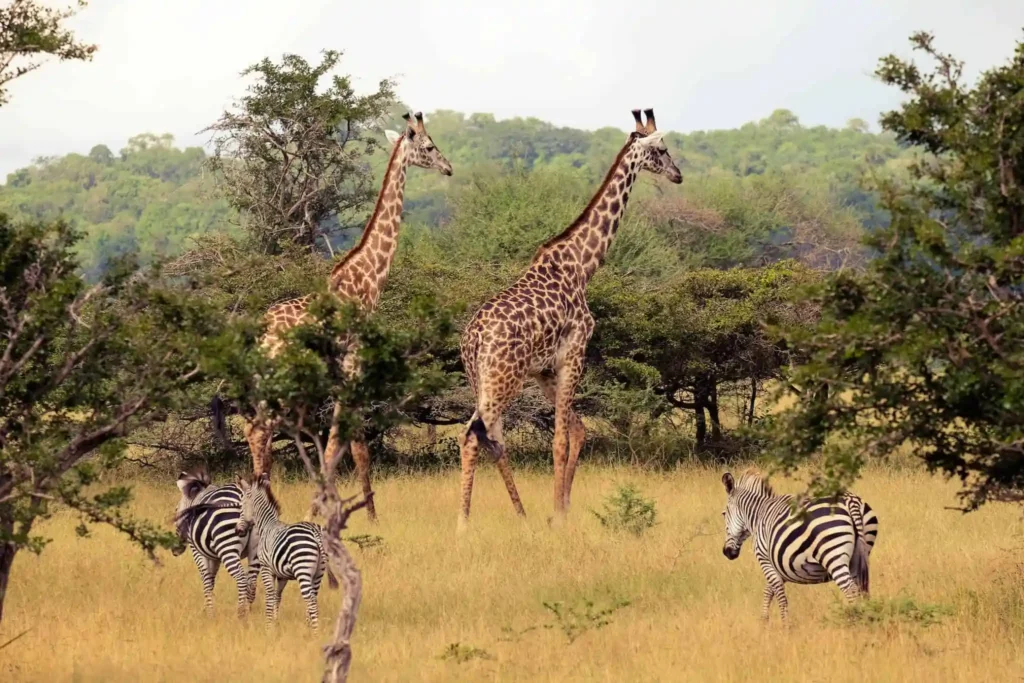
The park houses one of the largest wildlife sanctuaries and national parks globally. The park is home to lions, wildebeests, giraffes, zebras, hippopotamuses, rhinoceroses, antelopes, hyenas, African wolves, and crocodiles. The park is renowned for its population of African Wild Dogs.
The park hosts more than 400 avian species, including the African fish eagle, Malachite kingfisher, African skimmer, and Bohm’s bee-eater. The park features extensive Savannah grasslands, Miombo woodlands, and the prominent Rufiji River.
Rufiji is the largest river in Tanzania, inhabited by numerous crocodiles and hippopotamuses. The delta contains one of the greatest mangrove forests globally.
Activities in Nyerere National Park
Game Drives
Game drives in Nyerere Park occur either in the morning or the afternoon. They provide opportunity to observe species in their native habitats, including lions, wildebeests, giraffes, zebras, and numerous others. Fauna can be observed traversing the park and the vicinity of the Rufiji River.
Nature Walks
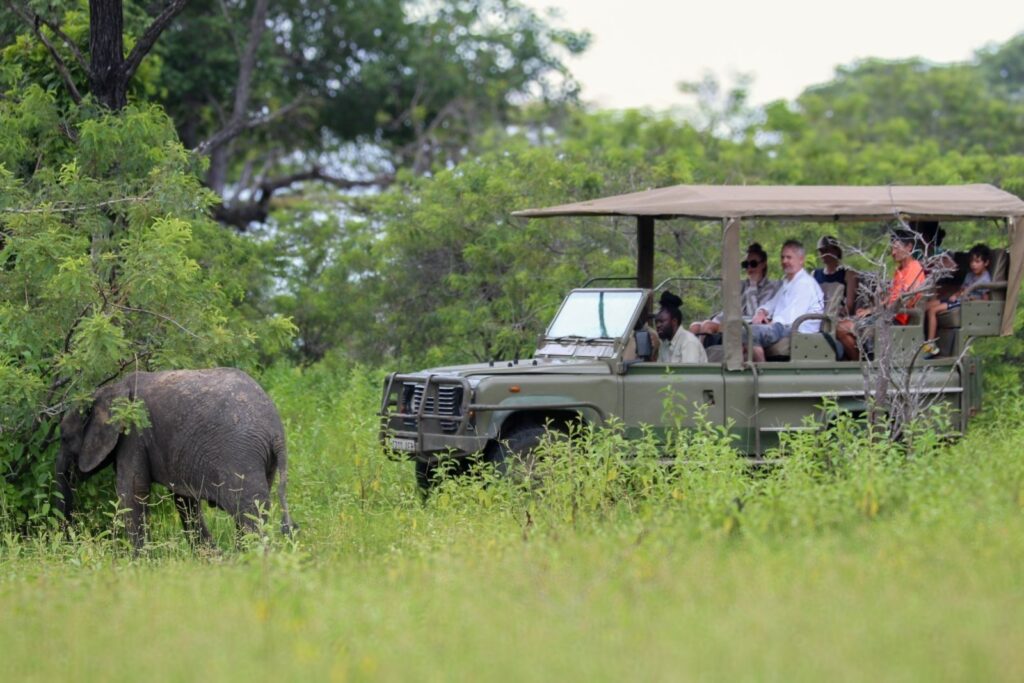
Nature walks at Nyerere National Park provide an intimate experience with the natural environment. One can capture beautiful photographs of the landscape, avifauna, and fauna. This is typically conducted with an armed game ranger.
Boating Safaris
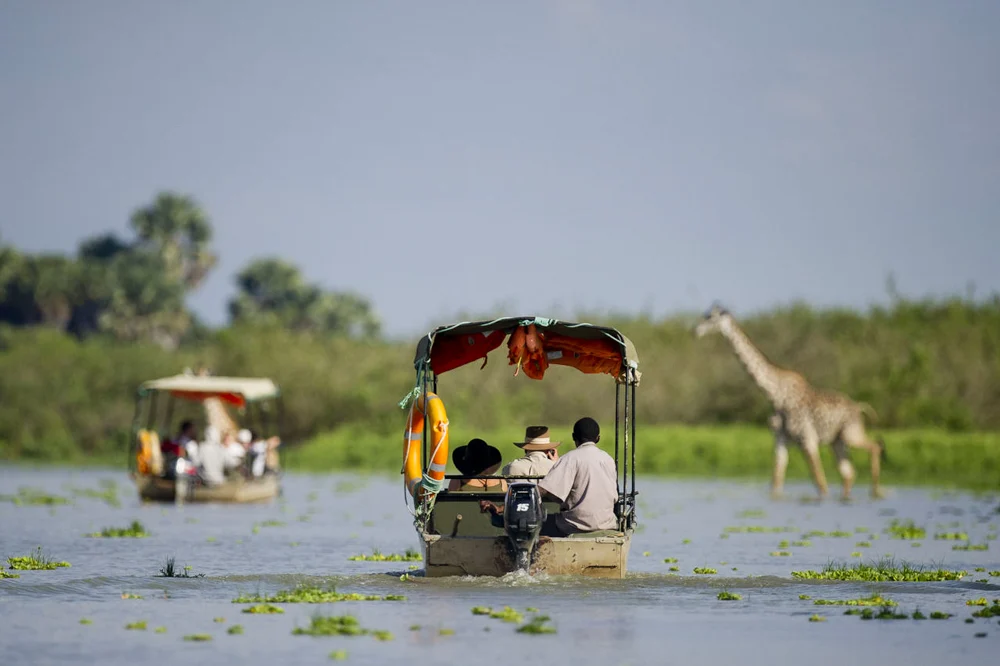
Boating safaris occur on the Rufiji River. They are an effective means of identifying creatures along the coastlines. Crocodiles and hippopotamuses are the most prevalent species in this region.
Visit of Cultural Significance
Cultural tours entail engaging with the indigenous Maasai community. One might acquire insight into their lifestyle and traditions.
When to visit Nyerere National Park
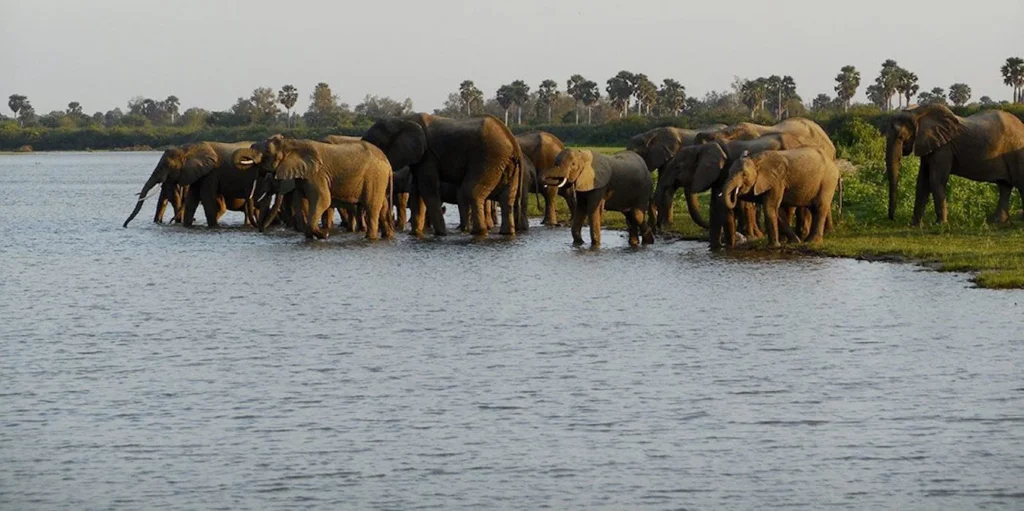
Nyerere Park, akin to the majority of parks in Tanzania, is accessible throughout the entire year. The arid season from June to October is optimal for wildlife observation, as numerous animals and birds congregate near River Rufiji for hydration.
During the rainy season from March to May, several areas of the park are closed owing to inaccessibility.
How to get there
Nyerere National Park is accessible by both road and air. The park is accessible by road from Dar es Salaam. The duration to reach Nyerere Park is 6 to 7 hours, contingent upon the entry gate utilized.
Travel time from Dar es Salaam to Matemere Gate: 5 to 5.5 hours
Dar es Salaam to Matembwe Gate: 6 to 7 hours
Numerous domestic flights are available to Nyerere National Park by air. The planes require around 1 hour to arrive at airstrips in Nyerere National Park.
Nyerere Park provides an excellent introduction to unspoiled Africa. The park in Tanzania offers the most extensive array of safari activities. The park’s distinctive features include its size, wildlife density, and the availability of boat safaris.
Accommodation options
Nyerere Park offers a plethora of hotel options. They vary from economical to opulent accommodations. The park features campsites for camping enthusiasts.