
Serengeti Camping Safari: The Ultimate Guide to Authentic Wildlife Adventure in Tanzania
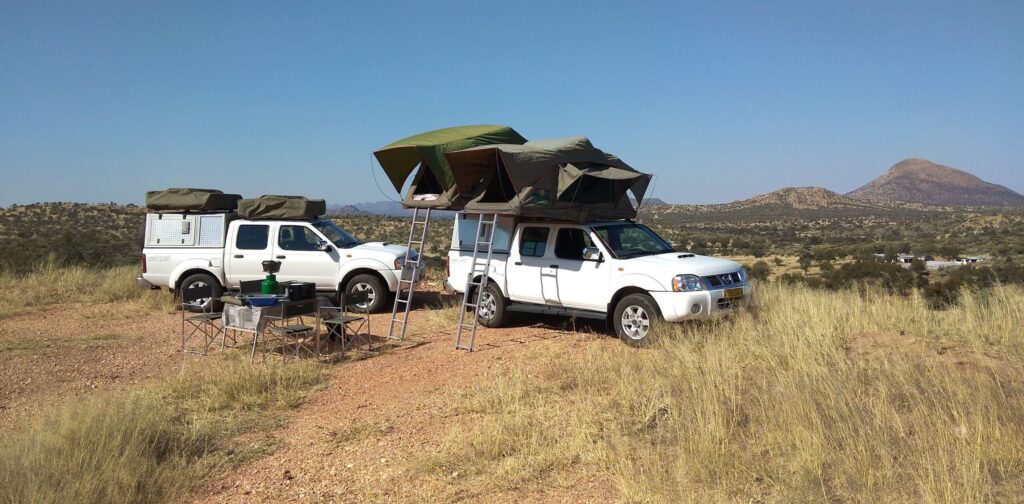
A Serengeti camping safari is one of the most immersive and unforgettable ways to explore the heart of Tanzania’s wilderness. Unlike lodge-based safaris that focus on comfort and luxury, camping safaris bring you directly into the wild, where you sleep in tents surrounded by nature and wake up to the sounds of Africa’s most iconic wildlife.
In the vast plains of the Serengeti National Park, camping is not just accommodation—it is part of the adventure itself. You are not separated from nature by walls or glass windows. Instead, you become part of the ecosystem, sharing space with lions, elephants, hyenas, giraffes, and countless other species that define this legendary safari destination.
This guide explores everything you need to know about Serengeti camping safaris: how they work, what to expect, costs, itineraries, wildlife experiences, safety considerations, and expert travel tips for planning the perfect adventure.
Understanding the Serengeti Camping Safari Experience
A Serengeti camping safari is a guided wildlife journey where travelers stay in tents instead of lodges or hotels. These camps can be basic public campsites, semi-luxury mobile camps, or private bush camps depending on your budget and comfort level.
The experience is built around three key elements: travel, wildlife, and immersion. You move through national parks in a 4×4 safari vehicle with an experienced guide, stopping for game drives throughout the day. At night, you return to a campsite set deep within or near wildlife zones.
Unlike traditional tourism, camping safaris are designed to minimize barriers between you and nature. There are no fences in many campsites, meaning wildlife may move nearby during the night. This creates a powerful sense of connection with the natural world that luxury lodges cannot replicate.
Types of Serengeti Camping Safaris
Camping safaris in the Serengeti come in different styles depending on comfort level and budget. Understanding the differences helps you choose the right experience.
1. Public Campsite Safaris (Budget Camping)
Public campsites are the most affordable way to experience the Serengeti. These camps are located inside or near the park and are managed by the Tanzania National Parks Authority.
Facilities are basic. Travelers sleep in simple dome tents with sleeping mats provided by the safari operator. Bathrooms and toilets are shared and often very simple. There is usually a designated cooking area where safari chefs prepare meals.
Despite the simplicity, public campsites offer an unmatched wildlife experience. You are fully immersed in the wilderness, often hearing animals at night and waking up to sunrise over the plains.
2. Semi-Luxury or Mobile Tented Camps
These camps offer more comfort while still maintaining an authentic bush experience. Larger tents with proper beds, private bathrooms, and dining tents are typically provided.
Mobile camps are especially popular because they move with the wildlife seasons, especially during the Great Migration. This means you can stay closer to key wildlife action depending on the time of year.
3. Private Wilderness Camping
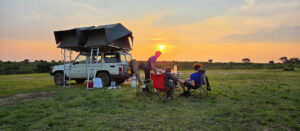
Private camping is the most exclusive option. Camps are set up in remote areas with minimal human presence. This option is often used for photography safaris, honeymoon trips, or high-end adventure travel.
Here, everything is tailored: private chef, dedicated guide, and fully customized itineraries.
What a Typical Day on a Serengeti Camping Safari Looks Like
Life on a camping safari follows the rhythm of nature. Days start early and end shortly after sunset.
Morning begins before sunrise. As the first light spreads across the plains, you head out for a game drive. This is one of the best times to see predators such as lions and leopards, as they are often still active from the night.
After several hours of wildlife viewing, you return to camp for breakfast. Midday is usually a rest period, as animals are less active in the heat. You may relax at camp, read, or enjoy the surrounding landscape.
In the afternoon, another game drive begins. This is when elephants, giraffes, zebras, and antelopes are commonly seen gathering around water sources.
As the sun sets, you return to camp. Dinner is prepared by your safari cook and served under the stars. The night is quiet but alive with distant animal calls.
Wildlife Encounters in the Serengeti
The Serengeti National Park is one of the richest wildlife ecosystems in the world. A camping safari offers some of the best opportunities to observe animals in their natural habitat.
The Serengeti is famous for the Big Five: lions, elephants, leopards, buffalo, and rhinoceros. Lions are especially common and often seen resting in open grasslands or hunting in coordinated groups.
Elephants move in herds across the plains and woodlands, especially near river areas. Leopards are more elusive but can often be spotted resting in trees along river valleys.
Beyond the Big Five, the Serengeti is home to massive herds of wildebeest, zebras, gazelles, hippos, crocodiles, hyenas, and over 500 bird species.
One of the most spectacular wildlife events is the Great Migration, where millions of wildebeest and zebras move across the ecosystem in search of fresh grazing.
The Great Migration and Camping Safaris
The Great Migration is one of the main reasons travelers choose a Serengeti camping safari. This natural event is considered one of the most impressive wildlife spectacles on Earth.
Depending on the season, different parts of the Serengeti become the focal point of migration activity:
- December to March: Calving season in southern plains
- April to June: Movement through central Serengeti
- July to September: River crossings in the north
- October to November: Return migration to southern areas
Camping safaris are especially valuable during this time because mobile camps can position you close to the herds. This allows travelers to witness predator-prey interactions, river crossings, and massive herd movements up close.
Serengeti Camping Safari Itineraries
A typical camping safari ranges from 3 to 7 days, although longer journeys are also possible. Most itineraries combine multiple parks for a complete northern Tanzania experience.
Example 5–6 Day Camping Safari Route
The journey often begins in Arusha and passes through several major parks:
- Tarangire National Park for elephant herds and baobab landscapes
- Serengeti National Park for endless plains and predators
- Ngorongoro Conservation Area for crater wildlife viewing
Each park offers a different ecosystem and wildlife experience, making the journey diverse and dynamic.
In Serengeti itself, travelers typically spend at least two full days on game drives. This increases the chance of seeing predators and large herds.
Costs of a Serengeti Camping Safari
Camping safaris are the most affordable way to explore the Serengeti, but prices vary depending on duration, group size, and level of comfort.
On average, budget camping safaris range from approximately 150 to 350 USD per person per day. This typically includes park fees, transport, guide services, camping equipment, meals, and water.
Short 3-day safaris may cost around 500 to 900 USD per person total, while longer 6–7 day itineraries combining multiple parks can range from 1,500 to 3,000 USD or more.
Luxury mobile camping safaris are significantly more expensive due to private services, upgraded tents, and exclusive locations.
Camping Facilities and Comfort Level
Camping in the Serengeti is simple but functional. Campsites are designed to support wildlife tourism while maintaining minimal environmental impact.
Public campsites usually include basic toilets, cold-water showers, and designated cooking areas. There is no electricity in many sites, although some operators bring solar lighting or generators.
Tents are usually dome-style with sleeping mats or camp beds. In mobile camps, comfort increases significantly with real beds, private bathrooms, and dining tents.
Even in basic camps, safari operators ensure safety by having staff present at all times and maintaining communication with park authorities.
Safety During a Camping Safari
Safety is a key concern for many first-time travelers, but Serengeti camping safaris are generally very safe when organized by professional operators.
Camps are usually located in designated areas monitored by park rangers. Guides are trained in wildlife behavior and safety protocols.
Important safety practices include:
- Never walking alone at night
- Following guide instructions at all times
- Keeping tents closed at night
- Avoiding food storage inside sleeping areas
- Staying calm if wildlife is nearby
Animals rarely enter camps directly, but sounds and movement nearby are common and part of the experience.
What to Pack for a Serengeti Camping Safari
Packing correctly is essential for comfort and safety. Conditions can vary between hot days and cold nights.
Essential items include lightweight clothing for daytime, warm layers for evenings, comfortable walking shoes, a hat, sunscreen, insect repellent, a flashlight or headlamp, and personal toiletries.
A good camera or binoculars significantly enhance the experience, as wildlife viewing is a central part of the journey.
Travelers should also carry personal medication and a reusable water bottle.
Best Time to Go on a Serengeti Camping Safari
The Serengeti is a year-round destination, but different seasons offer different experiences.
The dry season from June to October is the most popular time, offering excellent wildlife visibility as animals gather around water sources.
The green season from November to May is quieter and more scenic, with lush landscapes and fewer tourists.
For those interested in the Great Migration, timing depends on location within the Serengeti ecosystem. Northern river crossings typically occur between July and September.
Why Choose a Camping Safari Over Lodges
Camping safaris are not about luxury—they are about experience. While lodges offer comfort, camping places you directly inside the natural environment.
You experience the Serengeti in a raw and unfiltered way. You hear the sounds of wildlife at night, watch sunrises over open plains, and feel completely connected to nature.
For many travelers, this emotional connection is the most valuable part of the journey.
Conclusion: The True Spirit of the Serengeti
A Serengeti camping safari is more than a holiday—it is an adventure into one of the last great wildernesses on Earth. From sleeping under the African stars to witnessing lions in the early morning light, every moment is filled with authenticity and discovery.
Whether combined with visits to the Ngorongoro Conservation Area or Tarangire National Park, camping in the Serengeti remains one of the most powerful ways to experience Africa.
For travelers seeking adventure, connection with nature, and unforgettable wildlife encounters, a Serengeti camping safari delivers an experience that stays with you for a lifetime.