

Camping Safari Along Lake Victoria: Tanzania’s Hidden Wilderness Adventure
Introduction
When most travelers think about a Tanzanian safari, images of the Serengeti’s endless plains, the Great Migration, and the Ngorongoro Crater immediately come to mind. While these world-famous destinations undoubtedly deserve their reputation, there is another side of Tanzania that remains largely undiscovered by international visitors. Along the shores of Lake Victoria lies a remarkable wilderness experience that combines camping, wildlife, fishing, birdwatching, island exploration, and cultural encounters into one unforgettable journey.
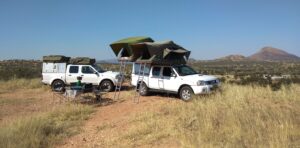
A camping safari along Lake Victoria offers an opportunity to experience East Africa at a slower pace. Instead of rushing between game drives, visitors can spend evenings beside crackling campfires, wake up to spectacular lake sunrises, listen to fish eagles calling overhead, and explore remote islands that few tourists ever visit. The experience is ideal for adventure travelers, families, self-drive enthusiasts, photographers, birdwatchers, anglers, and anyone seeking a more authentic connection with Tanzania’s natural landscapes.
As Africa’s largest lake and the world’s second-largest freshwater lake by surface area, Lake Victoria dominates the geography of East Africa. Shared between Tanzania, Uganda, and Kenya, the lake covers approximately 68,800 square kilometers and supports millions of people who depend on its waters for fishing, transportation, and agriculture. On the Tanzanian side, the lake stretches across the regions of Mwanza, Mara, Kagera, Geita, and Simiyu, creating a diverse landscape of rocky shorelines, sandy beaches, fishing villages, wetlands, and forested islands.
A camping safari along Lake Victoria is much more than simply sleeping in a tent near the water. It is an immersive wilderness experience that reveals a lesser-known side of Tanzania while offering unique activities unavailable in the country’s traditional safari parks.
Why Choose a Lake Victoria Camping Safari?
One of the greatest advantages of a Lake Victoria camping safari is the variety of experiences available within a relatively compact area. Travelers can enjoy wildlife viewing, boating, fishing, hiking, cultural interactions, and island exploration without spending long hours on the road.
The lake provides a refreshing contrast to Tanzania’s savannah landscapes. Instead of vast grasslands stretching toward the horizon, visitors encounter shimmering blue waters dotted with hundreds of islands. Granite outcrops rise dramatically from the shoreline, while traditional fishing boats glide silently across the water during sunrise and sunset.
The atmosphere is peaceful and unhurried. While destinations such as the Serengeti attract thousands of visitors each year, many areas around Lake Victoria remain remarkably quiet. It is entirely possible to spend hours exploring remote shorelines or islands without encountering another tourist.
Camping adds another dimension to the experience. Falling asleep beneath a canopy of stars, listening to the gentle sounds of water lapping against the shore, and sharing stories around a campfire creates memories that hotels simply cannot replicate.
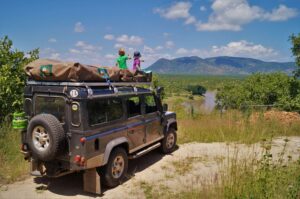
For self-drive travelers, Lake Victoria also represents one of Tanzania’s most rewarding road-trip destinations. The region features scenic routes, welcoming communities, and numerous opportunities to stop and explore hidden corners of the lake.
Understanding Lake Victoria
Lake Victoria was named after Queen Victoria by British explorer John Hanning Speke in 1858. The lake plays a crucial role in East Africa’s ecology, economy, and culture. It serves as the primary source of the White Nile and supports one of the world’s largest inland fisheries.
The lake’s shoreline is incredibly diverse. Some areas feature sandy beaches that resemble tropical coastlines, while others consist of rocky cliffs and granite islands. Wetlands and papyrus swamps provide habitat for countless bird species, making the lake one of East Africa’s premier birdwatching destinations.
The Tanzanian portion of the lake includes several important towns and cities, including Mwanza, Musoma, Bukoba, Chato, and Sengerema. Each offers a unique perspective on life along Africa’s largest lake.
Mwanza: The Gateway to Lake Victoria Adventures
Most Lake Victoria camping safaris begin in Mwanza, Tanzania’s second-largest city and the country’s primary gateway to the lake.
Often referred to as the “Rock City” due to its distinctive granite boulder formations, Mwanza combines urban convenience with spectacular natural scenery. The city sits on the southern shores of Lake Victoria and serves as an ideal starting point for exploring the region.
Visitors arriving in Mwanza can purchase supplies, rent camping equipment, arrange boat transfers, or hire safari vehicles before heading into more remote areas. The city’s lakeside location provides immediate access to numerous camping and outdoor activities.
One of Mwanza’s greatest attractions is simply its atmosphere. Fishermen return each evening with their daily catch, colorful markets buzz with activity, and stunning sunsets transform the lake into a canvas of gold, orange, and crimson hues.
Many travelers choose to spend their first night camping near Mwanza before beginning their broader Lake Victoria adventure.
The Best Camping Destinations Along Lake Victoria
Rubondo Island National Park
No camping safari along Lake Victoria would be complete without visiting Rubondo Island National Park.
Located in the southwestern portion of the lake, Rubondo is Tanzania’s only island national park and one of Africa’s most unique conservation areas. Covering approximately 457 square kilometers, the park includes both the island itself and surrounding waters.
Rubondo offers a fascinating combination of wildlife and aquatic environments. During the 1960s, several species were introduced to the island as part of conservation efforts, including elephants, giraffes, chimpanzees, black-and-white colobus monkeys, and sitatunga antelope.
Today, the island supports thriving populations of wildlife that live within dense tropical forests. Unlike traditional game-viewing destinations, Rubondo rewards visitors with intimate wildlife encounters in a lush island setting.
Camping on or near Rubondo allows travelers to experience:
- Chimpanzee tracking
- Forest walks
- Canoeing safaris
- Birdwatching
- Catch-and-release Nile perch fishing
- Boat excursions
- Sunset cruises
- Nature photography
With more than 300 recorded bird species, Rubondo is particularly attractive to bird enthusiasts.
Lukuba Island
Located near Musoma, Lukuba Island provides one of the most secluded camping experiences on Lake Victoria.
The island is characterized by giant granite boulders, sandy beaches, ancient fig trees, and peaceful coves. Its relaxed atmosphere makes it ideal for travelers seeking solitude and natural beauty.
Camping on Lukuba Island offers opportunities for:
- Kayaking
- Swimming
- Fishing
- Nature walks
- Birdwatching
- Photography
- Beach relaxation
The island’s limited development ensures a true wilderness experience.
Chato and the Western Shoreline
The western shores of Lake Victoria near Chato have become increasingly popular among domestic travelers and adventure tourists.
This region offers excellent lakeside camping opportunities with easy access to fishing communities and scenic shorelines. Visitors can spend days exploring hidden beaches, interacting with local fishermen, and enjoying spectacular sunsets.
The calm waters in many areas make boating and kayaking particularly enjoyable.
Wildlife Around Lake Victoria
While Lake Victoria may not offer the large concentrations of wildlife found in the Serengeti, it provides a fascinating variety of species that thrive in wetland, forest, and island habitats.
Common wildlife sightings include:
Hippos are frequently observed in quiet bays and river mouths. These massive animals often emerge from the water at dusk to graze along the shoreline.
Monitor lizards can be spotted basking on rocks throughout the region.
Otters inhabit many secluded waterways and occasionally reveal themselves during early morning excursions.
Various monkey species occupy forested islands, particularly Rubondo.
Crocodiles occur in certain sections of the lake and associated rivers.
The lake’s islands provide important refuge for numerous mammals that would otherwise face increasing pressure on the mainland.
Birdwatching Paradise
Lake Victoria is one of East Africa’s most important birdwatching destinations.
The combination of open water, wetlands, forests, grasslands, and rocky islands creates diverse habitats supporting hundreds of bird species.
Birdwatchers commonly encounter:
African Fish Eagles
Pied Kingfishers
Malachite Kingfishers
Grey Herons
Purple Herons
African Spoonbills
Cormorants
African Jacanas
Hammerkops
African Openbills
Great White Pelicans
Many migratory species also visit the lake during different times of the year, ensuring excellent birdwatching opportunities throughout the year.
For photographers, sunrise and sunset provide ideal conditions for capturing dramatic bird imagery against colorful skies.
Fishing Adventures on Lake Victoria
Fishing has shaped life around Lake Victoria for generations.
The lake supports a vast fishing industry centered around species such as:
Nile Perch
Tilapia
Catfish
Tiger Fish
For recreational anglers, Lake Victoria offers some of Africa’s finest freshwater fishing opportunities.
Catch-and-release Nile perch fishing is particularly popular around Rubondo Island. These powerful fish can exceed 100 kilograms and provide thrilling battles for experienced anglers.
Even visitors with no fishing experience can enjoy spending time on the water with local guides who share traditional techniques and stories about life on the lake.
Fresh fish prepared over a campfire remains one of the highlights of any camping safari.
Cultural Experiences Along the Shore
A camping safari along Lake Victoria is also a cultural journey.
The lake supports numerous ethnic groups, including the Sukuma, Haya, Zinza, Kerewe, and Jita communities.
Visitors have opportunities to:
Visit traditional fishing villages.
Observe local boat-building techniques.
Explore village markets.
Learn traditional fishing methods.
Experience local music and dance.
Sample regional cuisine.
Interact with community members.
These encounters provide valuable insight into the relationship between local communities and the lake.
Self-Drive Camping Safaris
Self-drive travel has become increasingly popular among adventurous visitors exploring Tanzania.
Lake Victoria is particularly suitable for self-drive camping safaris because many roads are accessible throughout much of the year.
A typical self-drive route may include:
Mwanza
Sengerema
Geita
Chato
Rubondo Island transfer points
Musoma
Return to Mwanza
Travelers should ensure they have suitable camping equipment, recovery gear, navigation tools, and sufficient supplies before departing urban areas.
A 4×4 vehicle is recommended, especially during the rainy seasons.
Best Time to Visit
Lake Victoria can be visited year-round, but certain seasons offer distinct advantages.
June to October
The long dry season provides:
Excellent road conditions
Comfortable camping weather
Reduced mosquito activity
Clear skies
Outstanding birdwatching
December to February
This period offers:
Warm temperatures
Calm lake conditions
Excellent photography opportunities
Comfortable camping experiences
March to May
The long rains can make some roads challenging, but the landscape becomes exceptionally green and beautiful.
Birdwatching is often spectacular during this season.
Sample 7-Day Lake Victoria Camping Safari
Day 1
Arrival in Mwanza and lakeside camping.
Day 2
Explore Mwanza and surrounding shoreline areas.
Day 3
Drive toward Chato with overnight lakeside camping.
Day 4
Boat transfer to Rubondo Island.
Day 5
Chimpanzee tracking and island exploration.
Day 6
Fishing, birdwatching, and sunset cruise.
Day 7
Return to Mwanza.
This itinerary can easily be extended or combined with a Serengeti safari.
Combining Lake Victoria with a Serengeti Safari
One of the greatest advantages of starting a safari in Mwanza is the opportunity to combine Lake Victoria with the western Serengeti.
Travelers can enjoy several days of camping along the lake before entering one of Africa’s most celebrated wildlife destinations.
This combination offers:
Island adventures
Fishing experiences
Birdwatching
Cultural encounters
Classic game drives
Big Five sightings
The Great Migration (seasonal)
The contrast between the lake and the savannah creates a richer and more diverse safari experience.
Responsible Camping Practices
As tourism grows around Lake Victoria, responsible travel becomes increasingly important.
Campers should:
Carry out all waste.
Respect local communities.
Minimize campfire impacts.
Avoid disturbing wildlife.
Use eco-friendly products.
Support local businesses.
Follow park regulations.
Responsible tourism helps preserve Lake Victoria’s natural beauty for future generations.
Conclusion
A camping safari along Lake Victoria is one of Tanzania’s most rewarding yet underappreciated travel experiences. Combining wilderness, culture, adventure, and relaxation, the lake offers an alternative perspective on East Africa that many visitors never discover.
Whether camping on remote islands, fishing for Nile perch, tracking chimpanzees on Rubondo Island, exploring traditional fishing villages, or simply watching the sun set over Africa’s largest lake, every day brings new experiences and unforgettable memories.
For travelers seeking something beyond the traditional safari circuit, Lake Victoria represents a hidden gem waiting to be explored. Its combination of natural beauty, cultural richness, and outdoor adventure makes it one of Tanzania’s most exciting destinations for camping enthusiasts and nature lovers alike.